
My first safari was a wildlife safari in Tanzania more than 20 years ago. I arrived as a traveler, drawn by the migration and the animals, not yet thinking like a photographer. During that trip, we made a brief visit to a tribal village, something unexpected. I didn’t know it then, but that short encounter and safari would quietly change the direction of my life and my work.
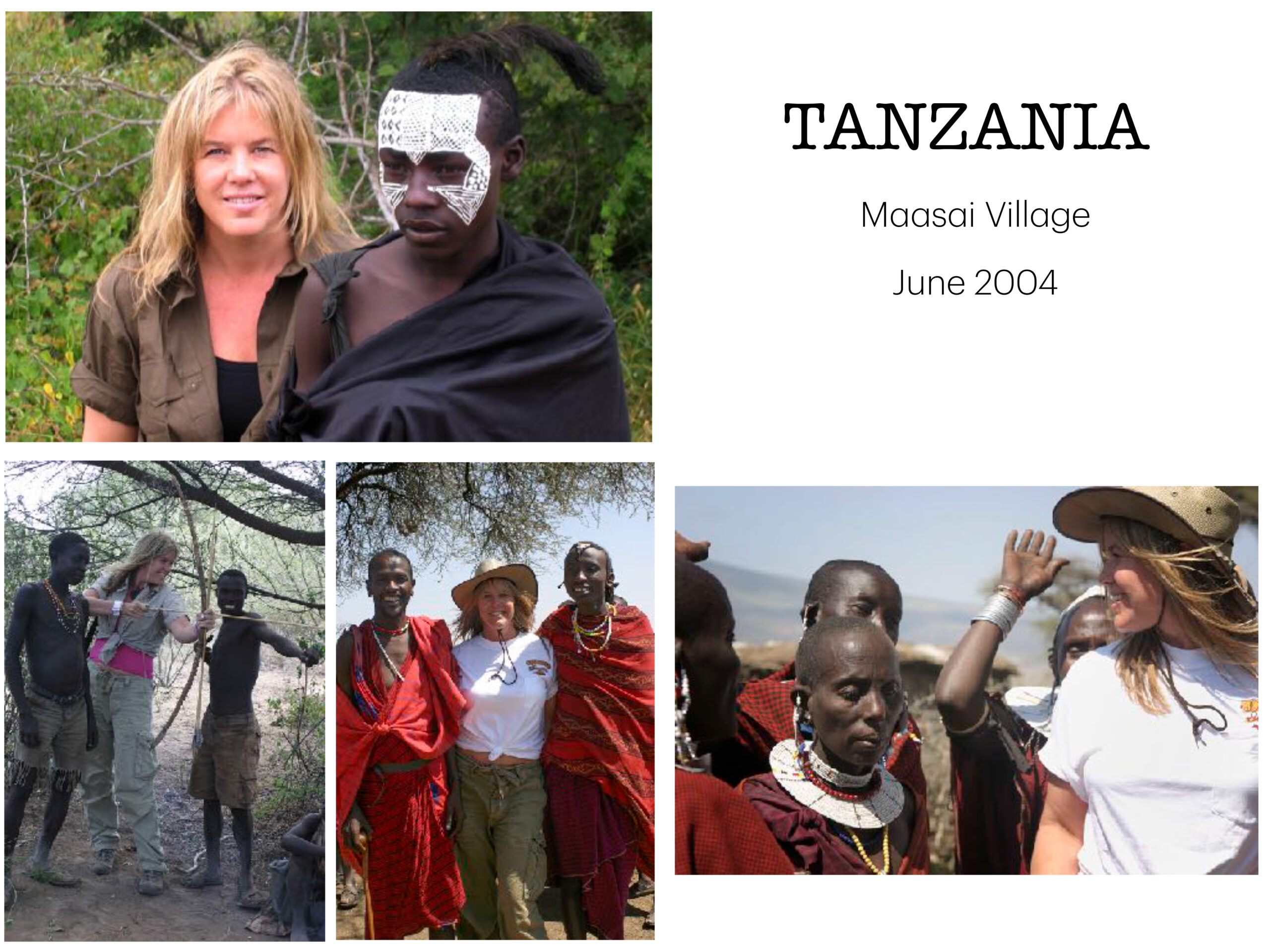
For many wildlife photographers, the idea of photographing people feels intimidating. Animals feel familiar. They don’t judge. They don’t expect anything. With people, there’s uncertainty about permission, about respect, about whether you belong there at all. That hesitation is understandable. But it’s also where some of the most meaningful experiences begin. I guess I was lucky, as the safari leader (not the photo tour leader) had lived in Africa as a nurse for some time and had a deep relationship with the village we visited.
In Kenya, tribes are not separate from conservation; they are central to it, which is another reason I made it my home. The wildlife we cherish, and the land where they roam free, exist because local communities own the land and choose to preserve it. The relationship between people and wildlife here isn’t theoretical; it’s lived every day. Understanding that connection deepens how you see the wild and the stories you tell through your images.
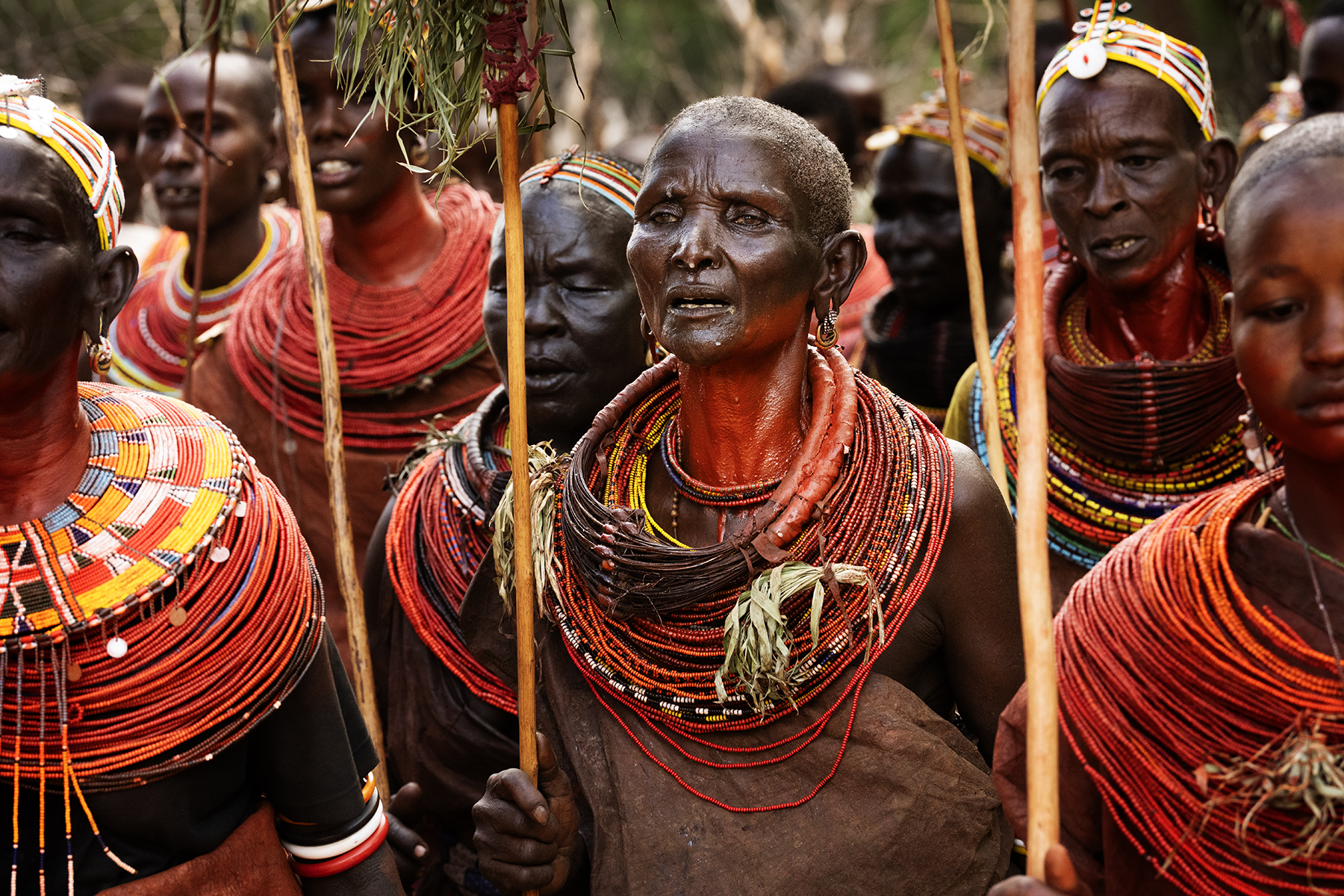
What I’ve learned over the years is that photographing tribes isn’t about technical mastery or creating dramatic portraits. It’s about presence, slowing down, observing, listening, and allowing relationships to form naturally. You don’t arrive as an outsider with a camera; you arrive as a guest. When you approach with curiosity rather than expectation, the experience shifts from making an image to understanding a way of life that has shaped these landscapes for generations. In that space, photography becomes secondary to connection, and the images that emerge are shaped by experience rather than intent. These moments unfold quietly, without pressure, and they tend to stay with you long after the safari ends.
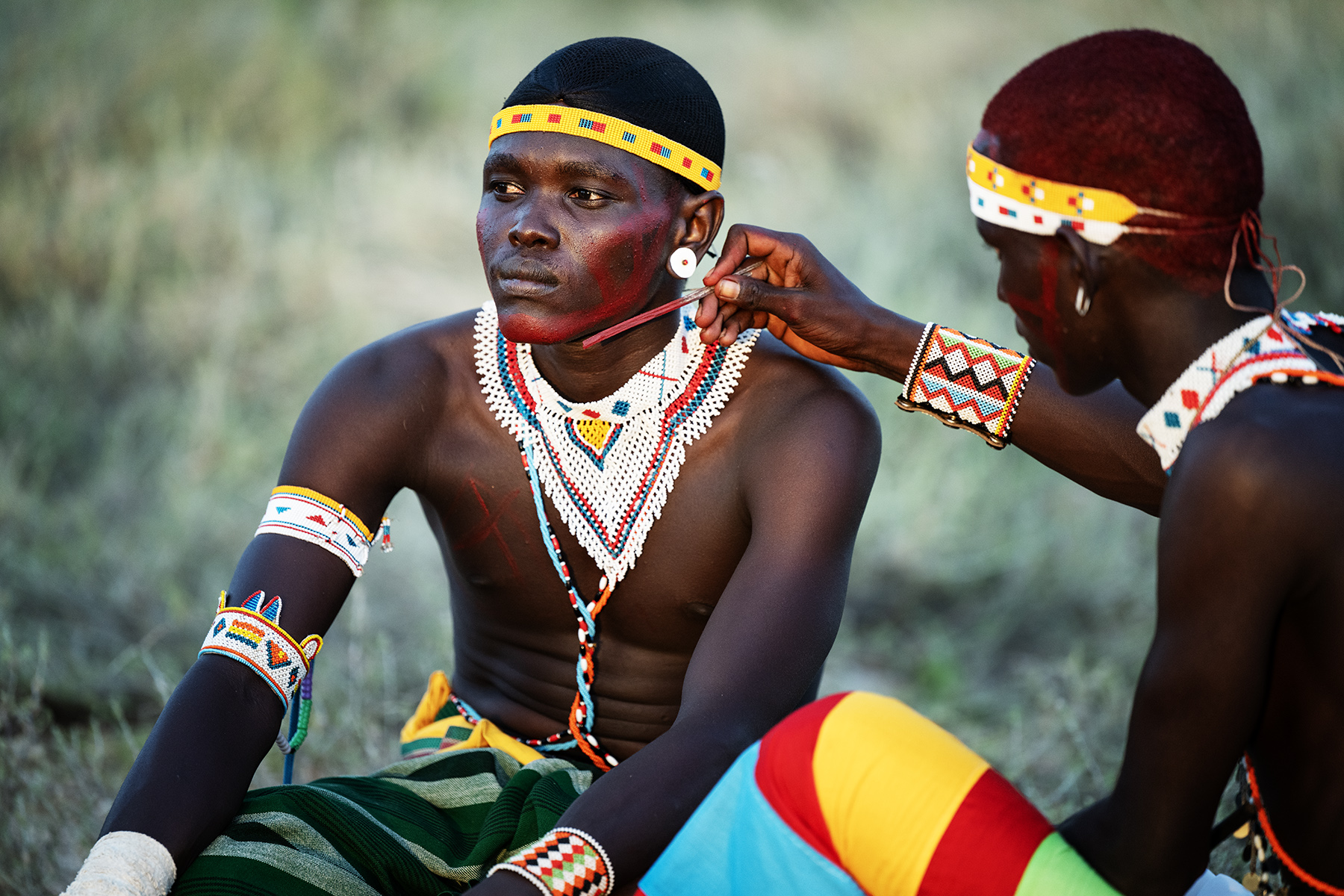
For photographers who are curious but hesitant, there’s value in a gentle introduction. Not every journey needs to begin with a full tribal expedition. Sometimes, it starts with a single visit, or a few days in a magically different world than your own; an opportunity to observe, to learn, and to experience life beyond the lens. Kenya offers a mix of exotic wildlife, with a little deeper exploration for an otherworldly experience.
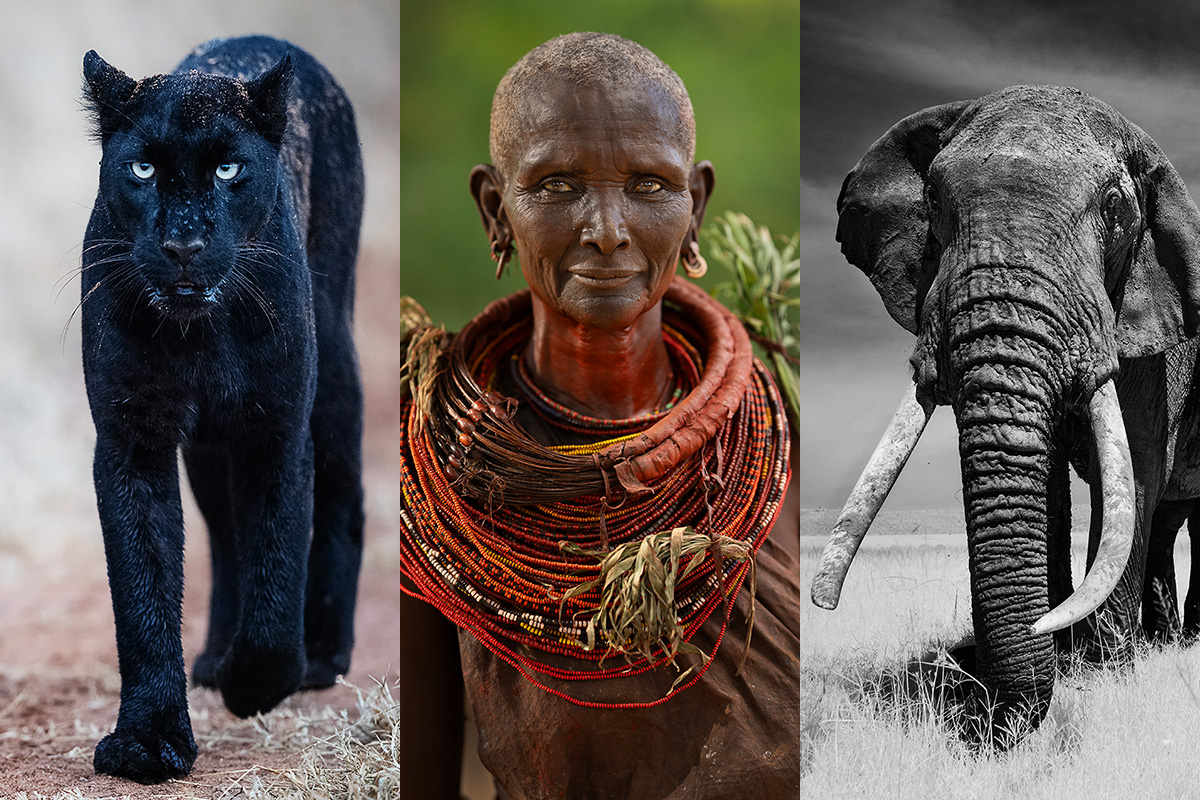
As photographers, it’s easy to become narrowly focused on one genre, forgetting that we are also travelers in extraordinary places. We cross continents, immerse ourselves in remote landscapes, and yet often photograph only a small part of what’s before us. In doing so, we can overlook experiences that few people will ever have the chance to share. When we allow ourselves to remain curious travelers, not just photographers, the journey becomes richer, more meaningful, and far more lasting than any single image; sometimes, life-changing.
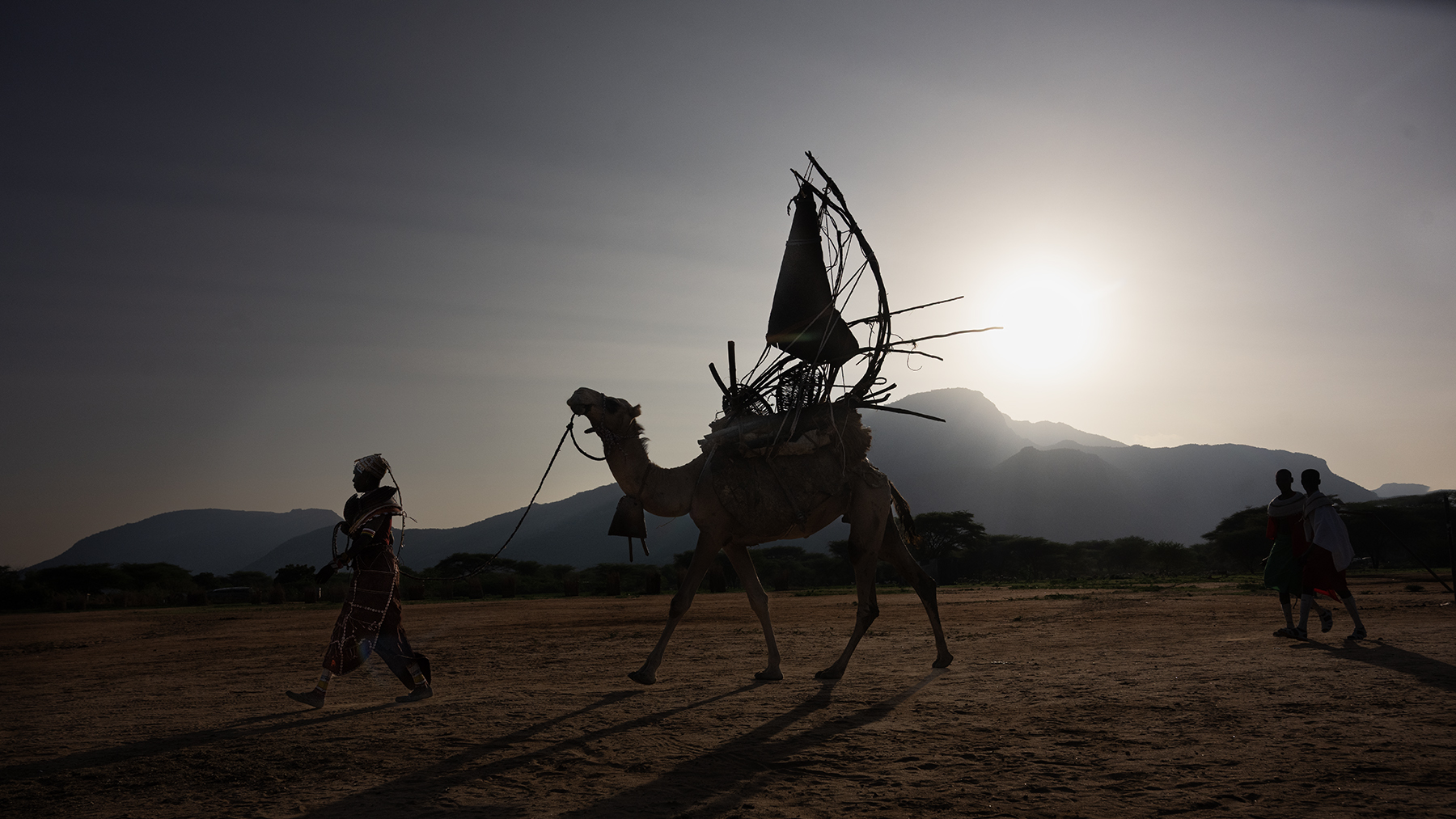
You don’t know until you try it – take a look!