
Before tarmac roads reached the north, I found myself driving rough desert tracks across the striking Chalbi Desert when I caught my first glimpse of beautiful huts draped in vibrant African cloth. Having spent twenty years in the fashion industry designing clothing and textiles, I was immediately captivated. It was my first journey into Northern Kenya, on my way to the Turkana Festival, where I would meet the guide who still works with me today. But in this moment, driving through the Gabra community, I was completely on my own.
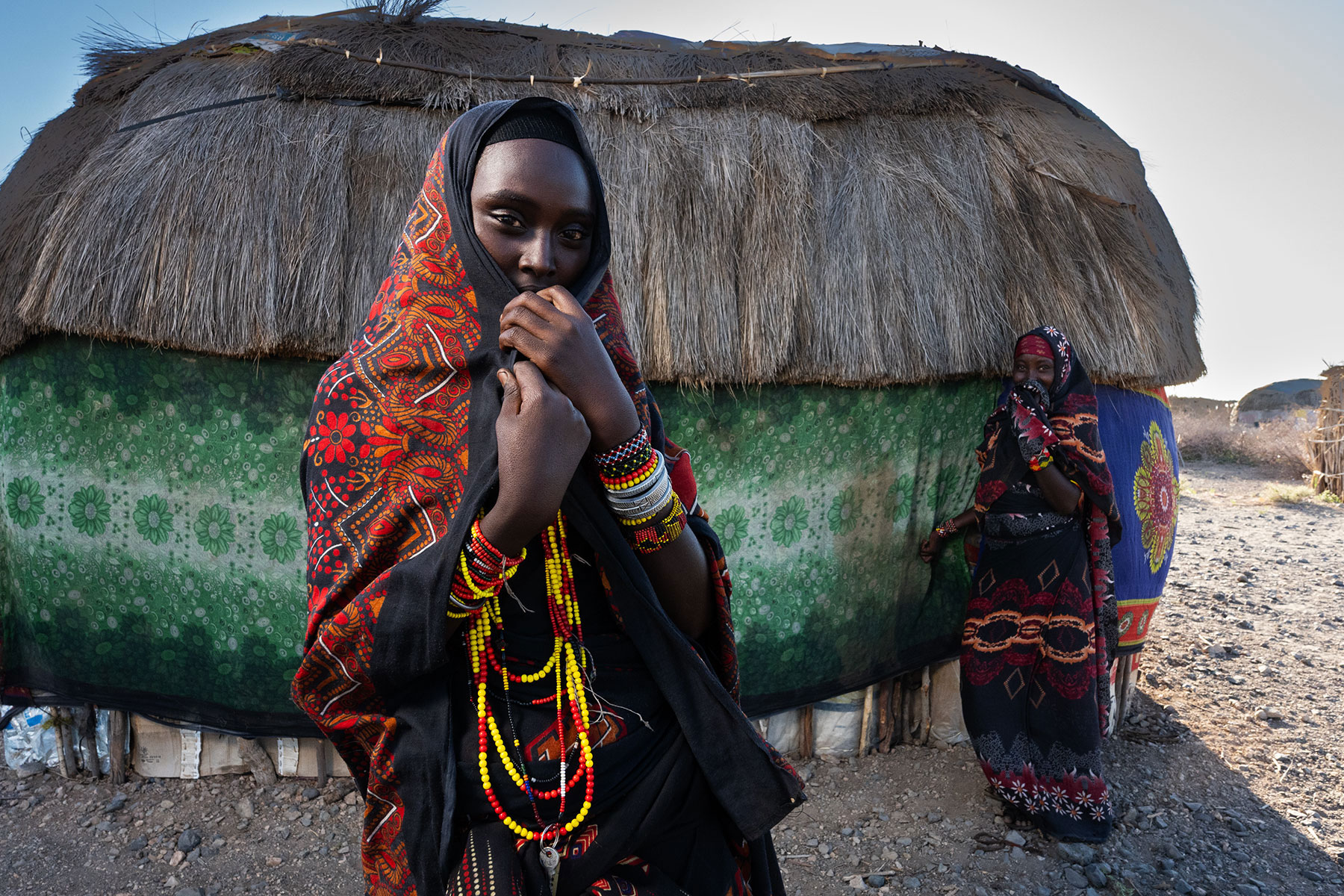
I was far too intrigued to keep driving.
The Gabra are a Muslim community, so we stopped in the nearby town to find a local guide who could introduce us respectfully. This was far from the usual route, and visitors, other than missionaries and aid workers, were rare. The women were strikingly beautiful, dressed in brilliant African cloth and intricate beadwork, yet naturally shy. Although I spent only a few hours there, I left knowing I would return.
Later that week, I met more Gabra at the Turkana Festival and was fortunate to meet Ali, a respected community leader. Over the following decade, even as roads improved, charter flights opened the north, and travel routes changed, I made a point of returning almost every year. Whenever I was in Northern Kenya, I would drive the extra hours simply to visit Ali and continue building our friendship. Along the way, I was even privileged to attend a wedding between a Rendille groom and a Gabra bride held within the community.
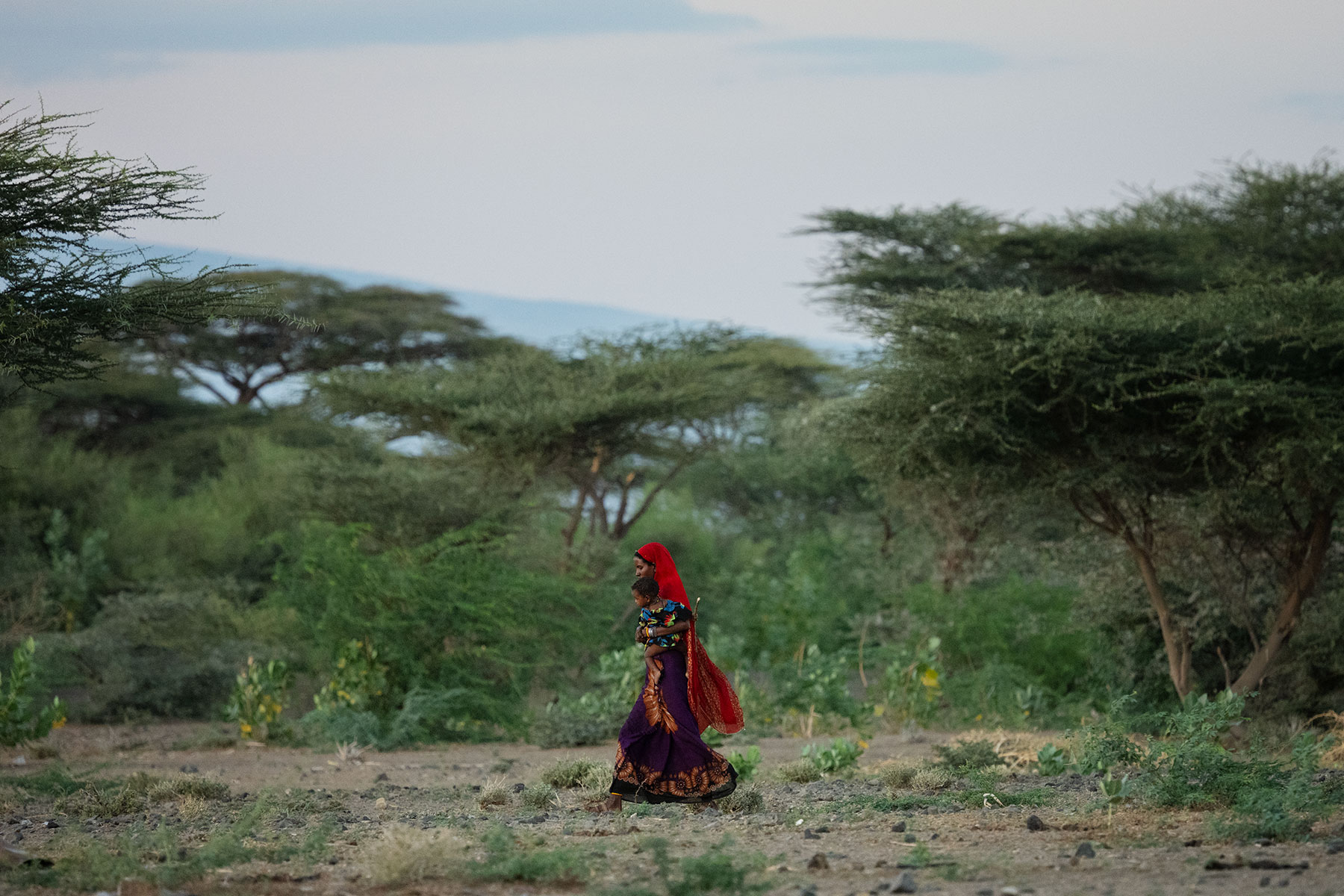
This year, everything finally came together.
For the first time, I was able to bring guests into this remarkable community, setting up a mobile camp just outside the villages in the heart of Gabra land. Having never carried cameras during my previous visits, I wasn’t quite sure how a small group of photographers would be received.
Any uncertainty disappeared the moment we arrived.
The women gathered together, singing welcoming songs before returning to the task of building a traditional hut for a new bride. We wandered quietly through the village, watching daily life unfold around us. There was an unmistakable warmth in the way everyone welcomed us. The bond these women share is deeply moving, and their strength, generosity, and quiet dignity left a lasting impression on all of us.
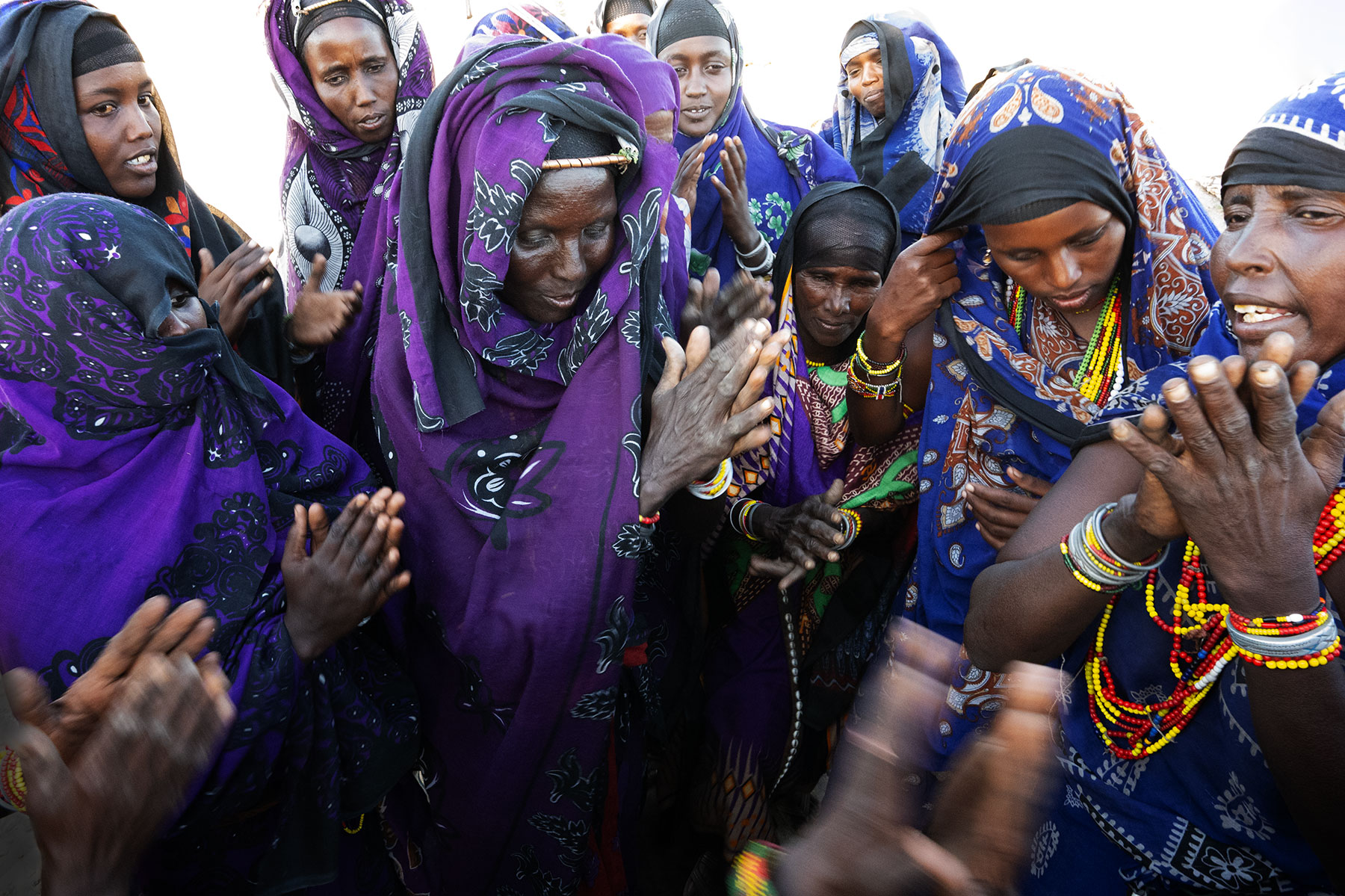
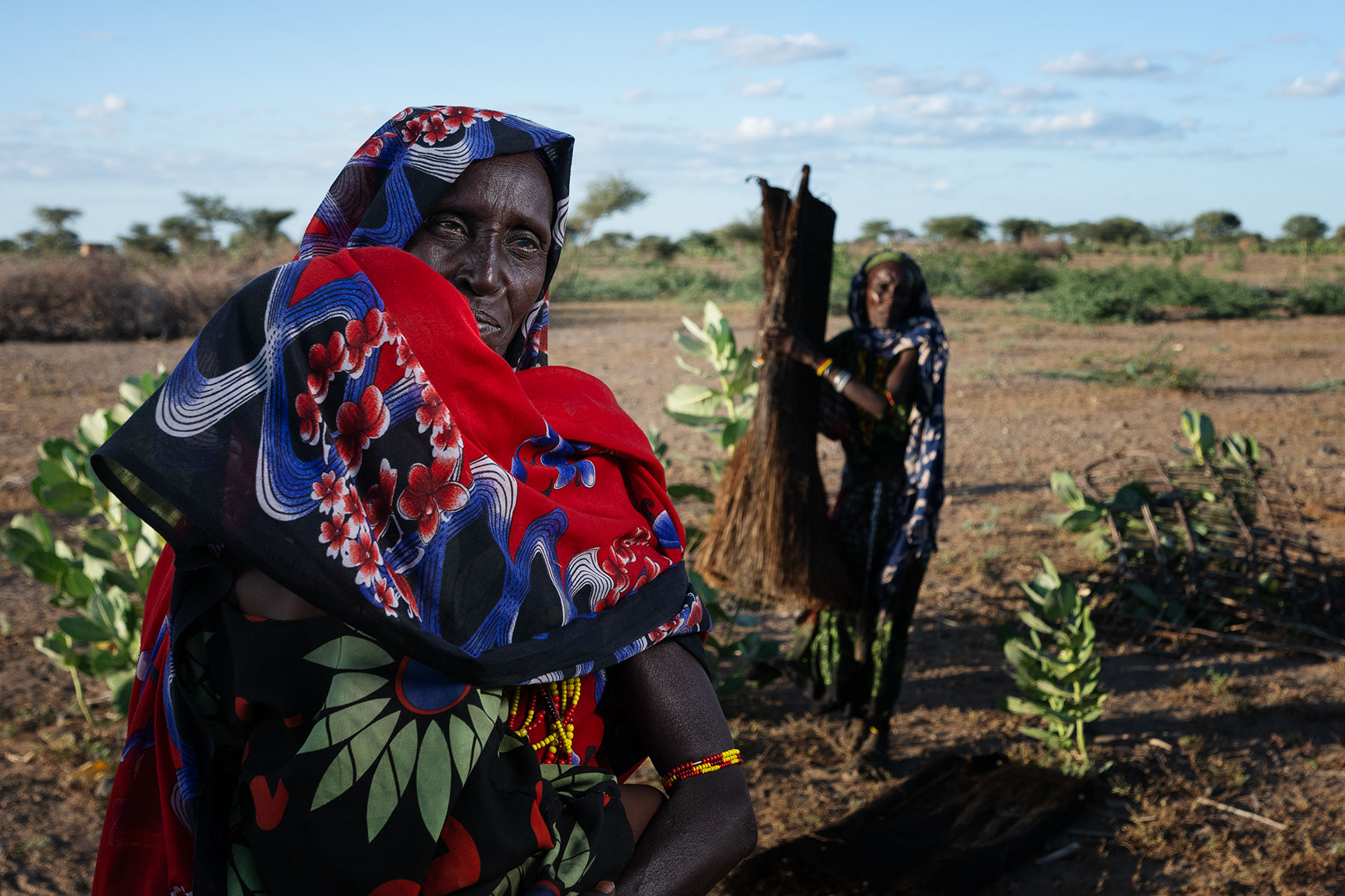
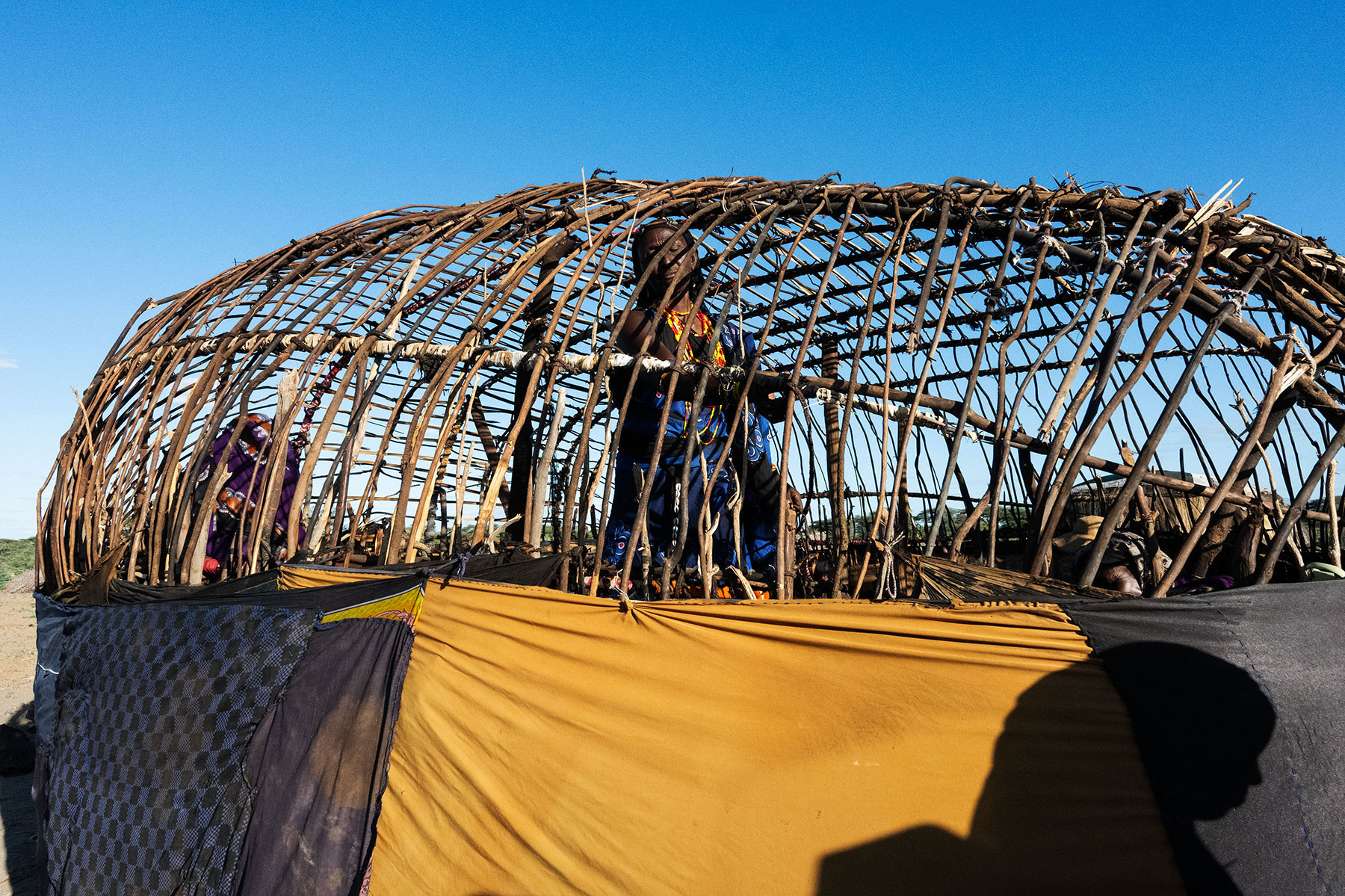
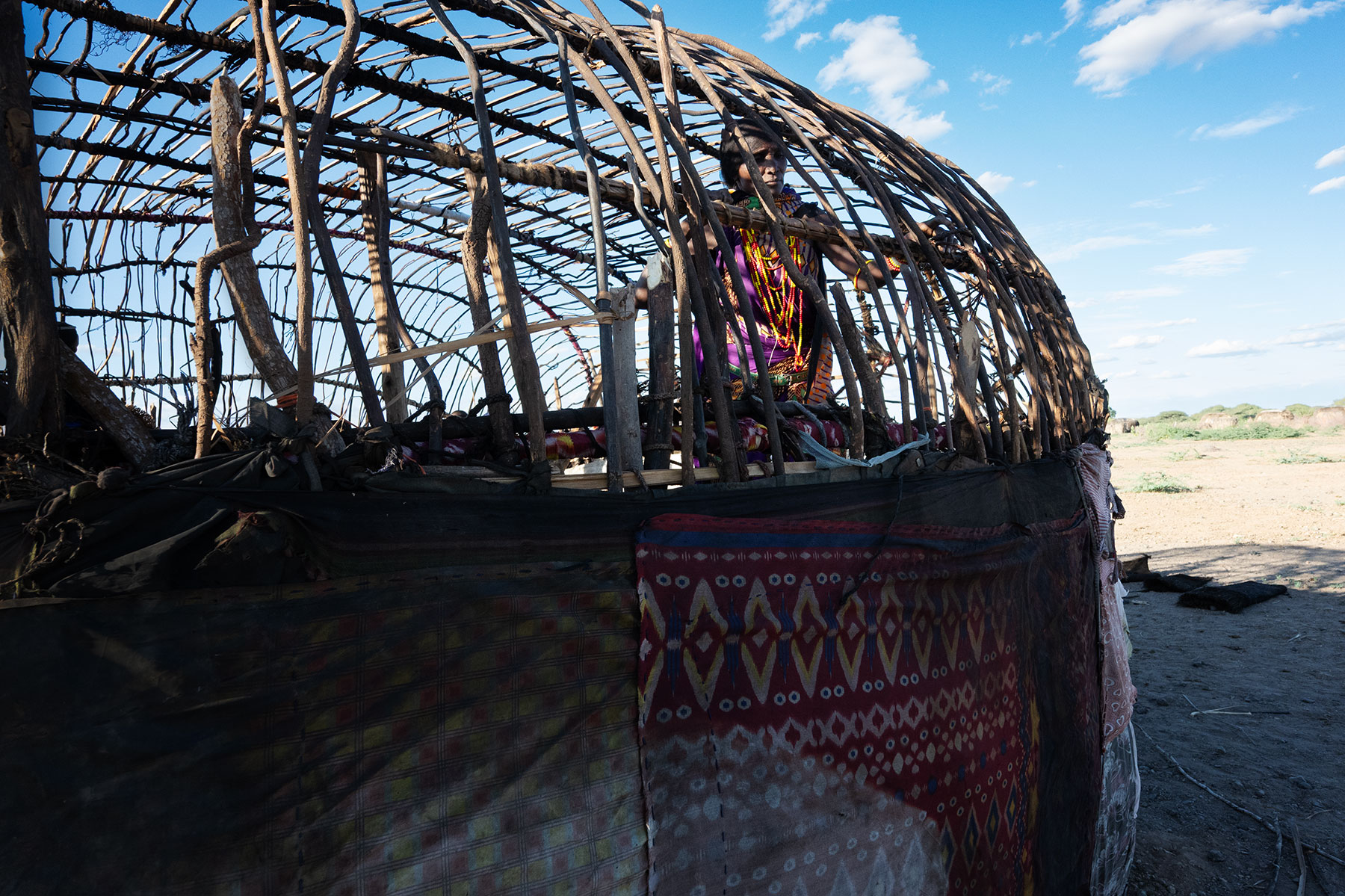
The following morning, the intimacy continued as we were invited into their homes to share in the rhythm of everyday village life. Women prepared breakfast and tea, children drifted in and out of the huts, the camels were being led to graze, the goats were being milked, and life simply unfolded around us. Nothing was hurried or contrived, only genuine hospitality. It was one of those rare moments when you stop feeling like a visitor and simply enjoy being present.
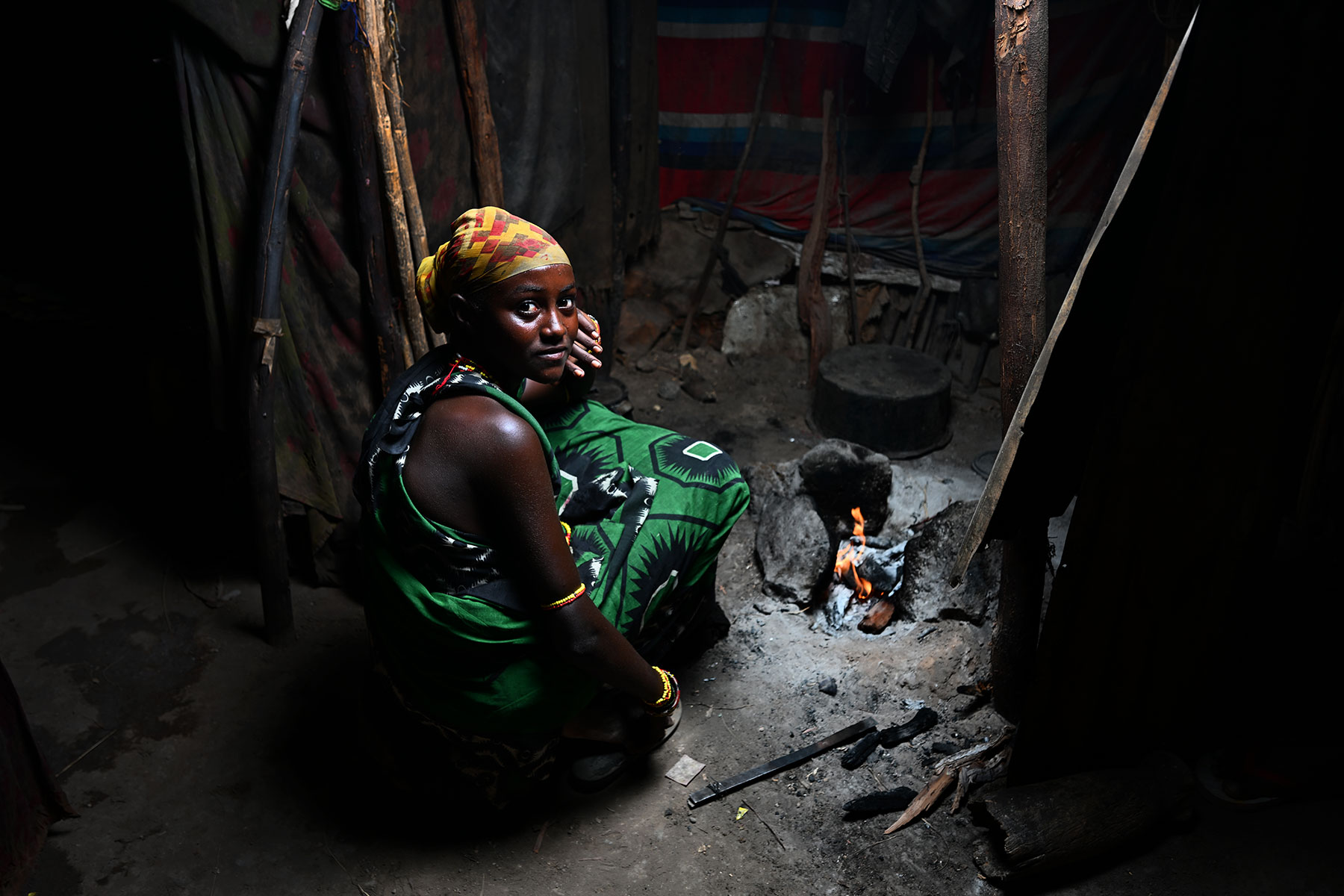
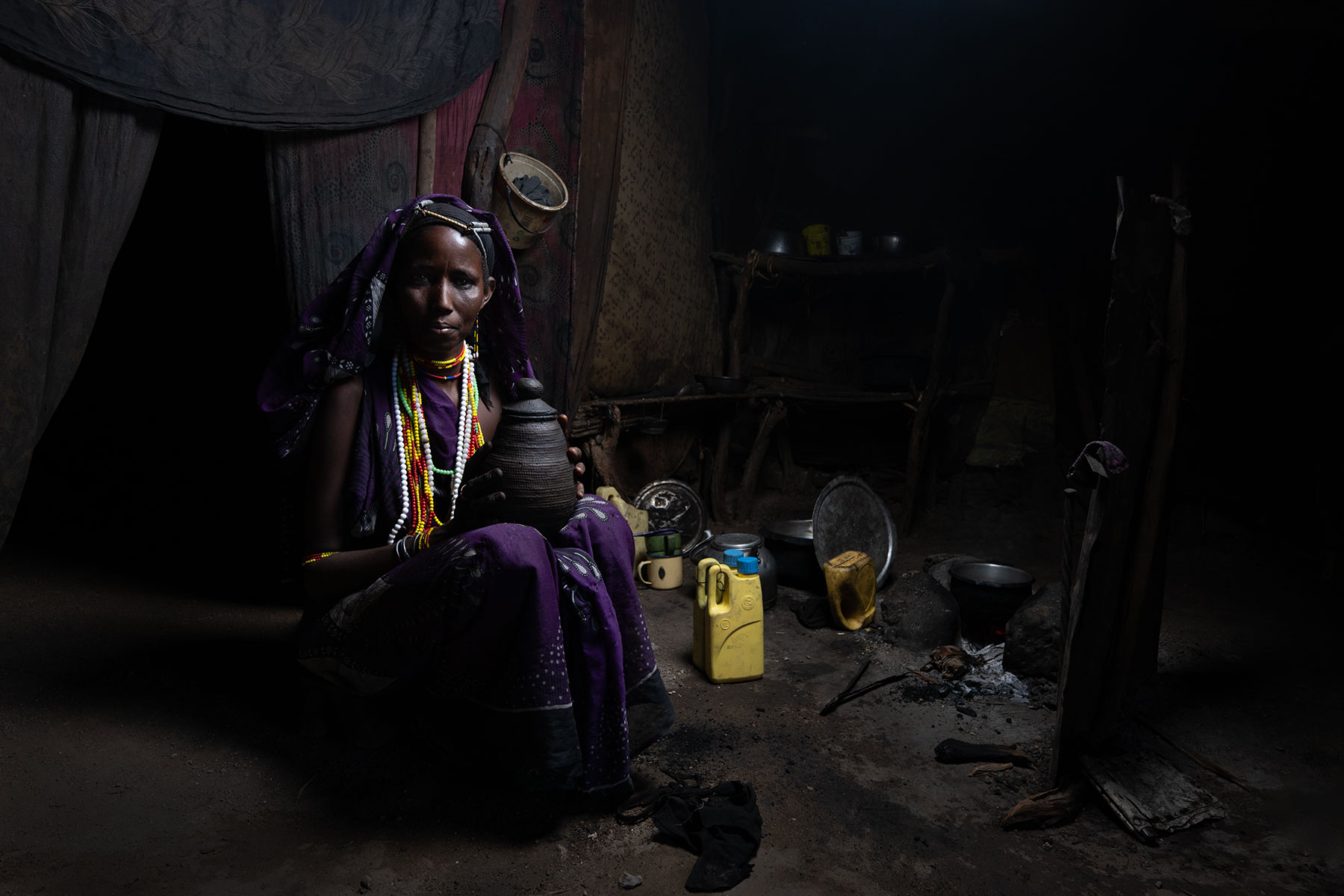
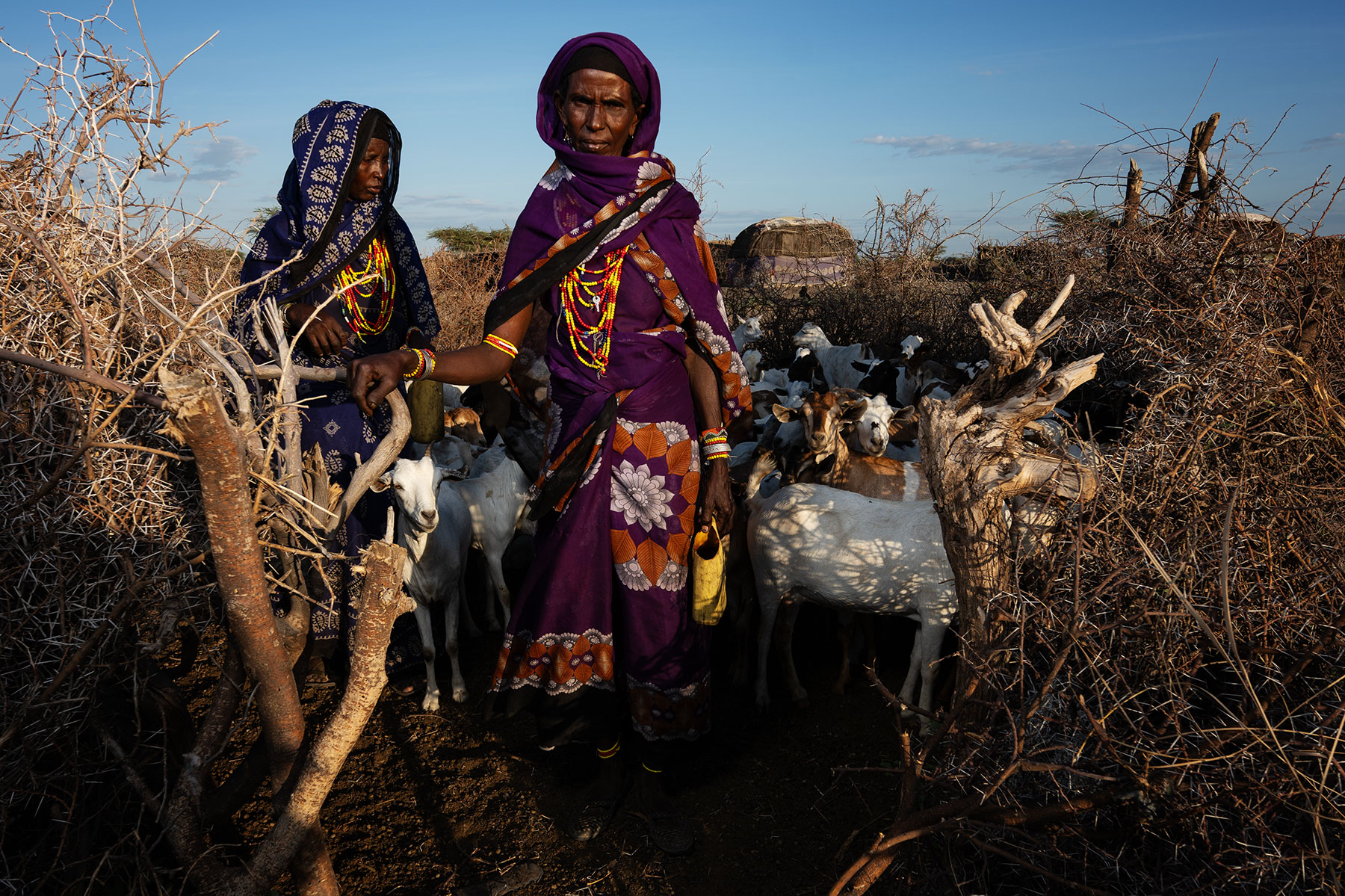
Before leaving, we asked whether a few of the women would like to come to our camp for portraits. To our delight, they accepted. It was a privilege to photograph them wearing their beautiful fabrics and beadwork, but what made the afternoon memorable wasn’t the photography. It was the conversations, the laughter, the food shared, and the extra time spent together. By then, strangers had become friends.
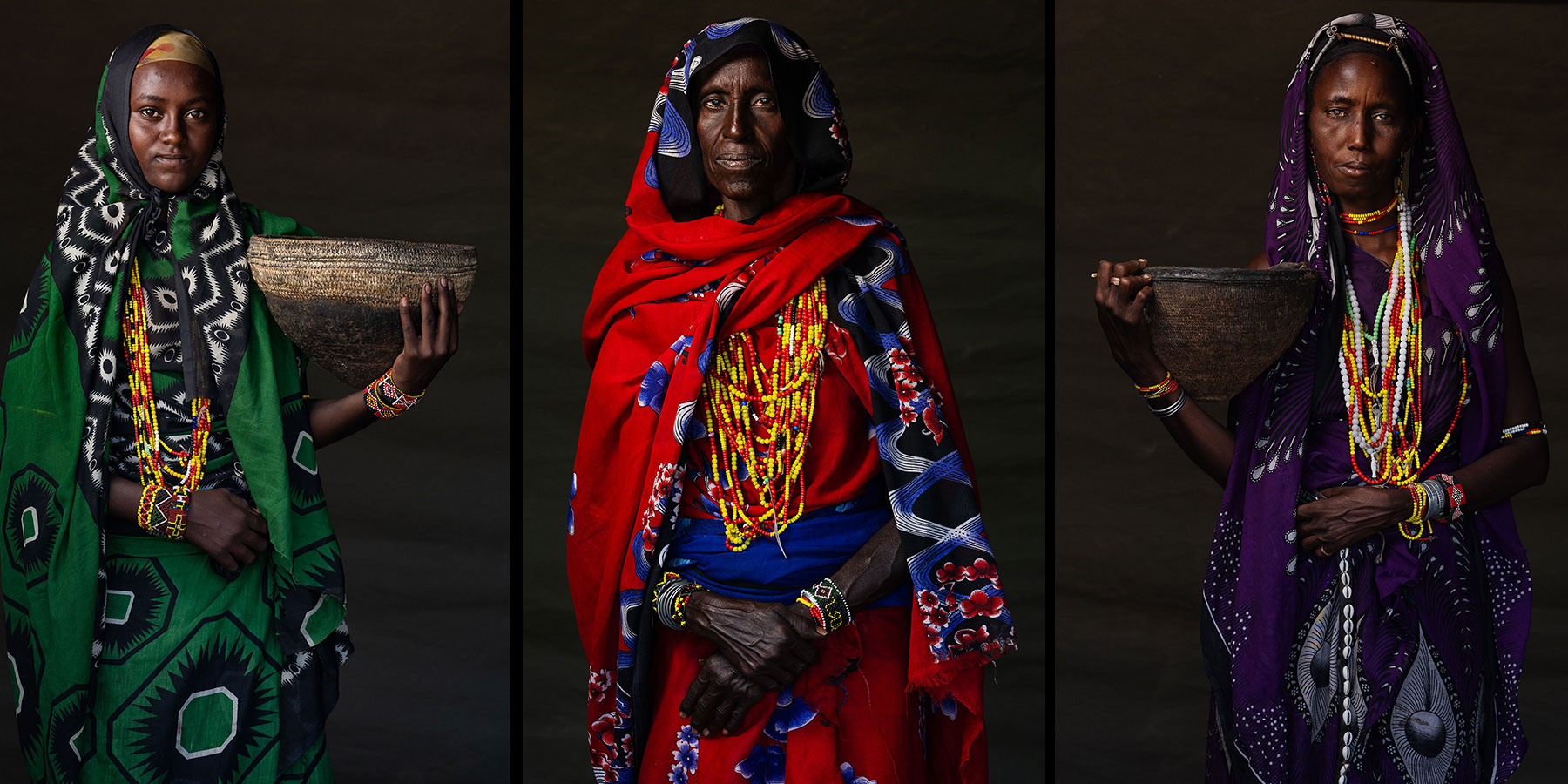
There are invitations that cannot be bought.
When we returned to the village that evening, it no longer felt like we were visiting a community. It felt as though we were returning to friends. Although our camp was only five minutes away, they laughed and asked why we were camping so far from the village. “Next time,” they said, “camp under the big shade trees with us.”
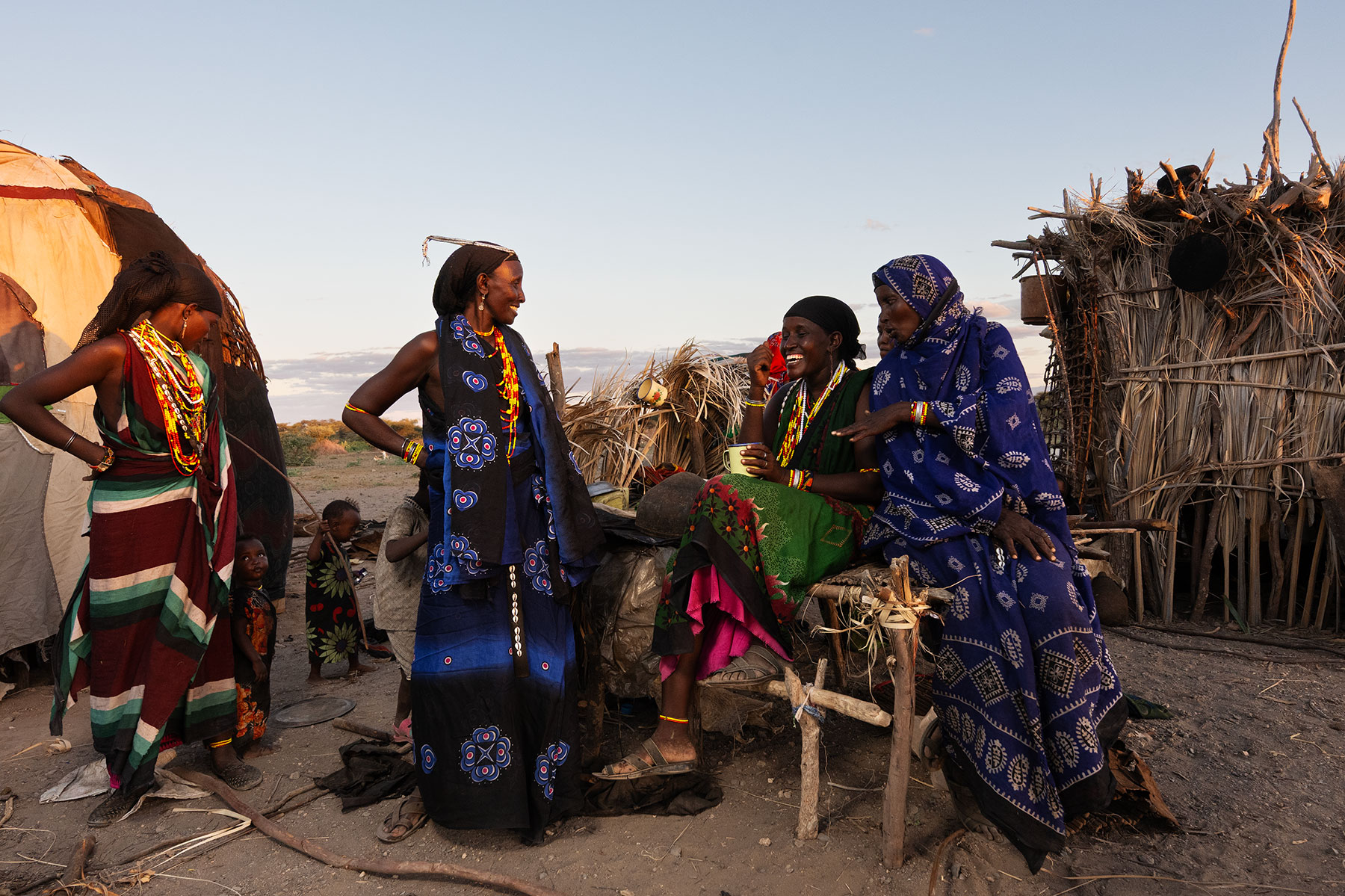
Relationships worth returning for.
During our final morning visit, none of us wanted to leave. We returned to camp to pack, knowing our twelve-day expedition was coming to an end. Before heading to the airstrip for our flight to Nairobi, we stopped by the village one last time to say goodbye. We all shared the same feeling: one more day would never have been enough. Years of quiet visits, mutual trust, and respect had opened the door to an experience that none of us expected.
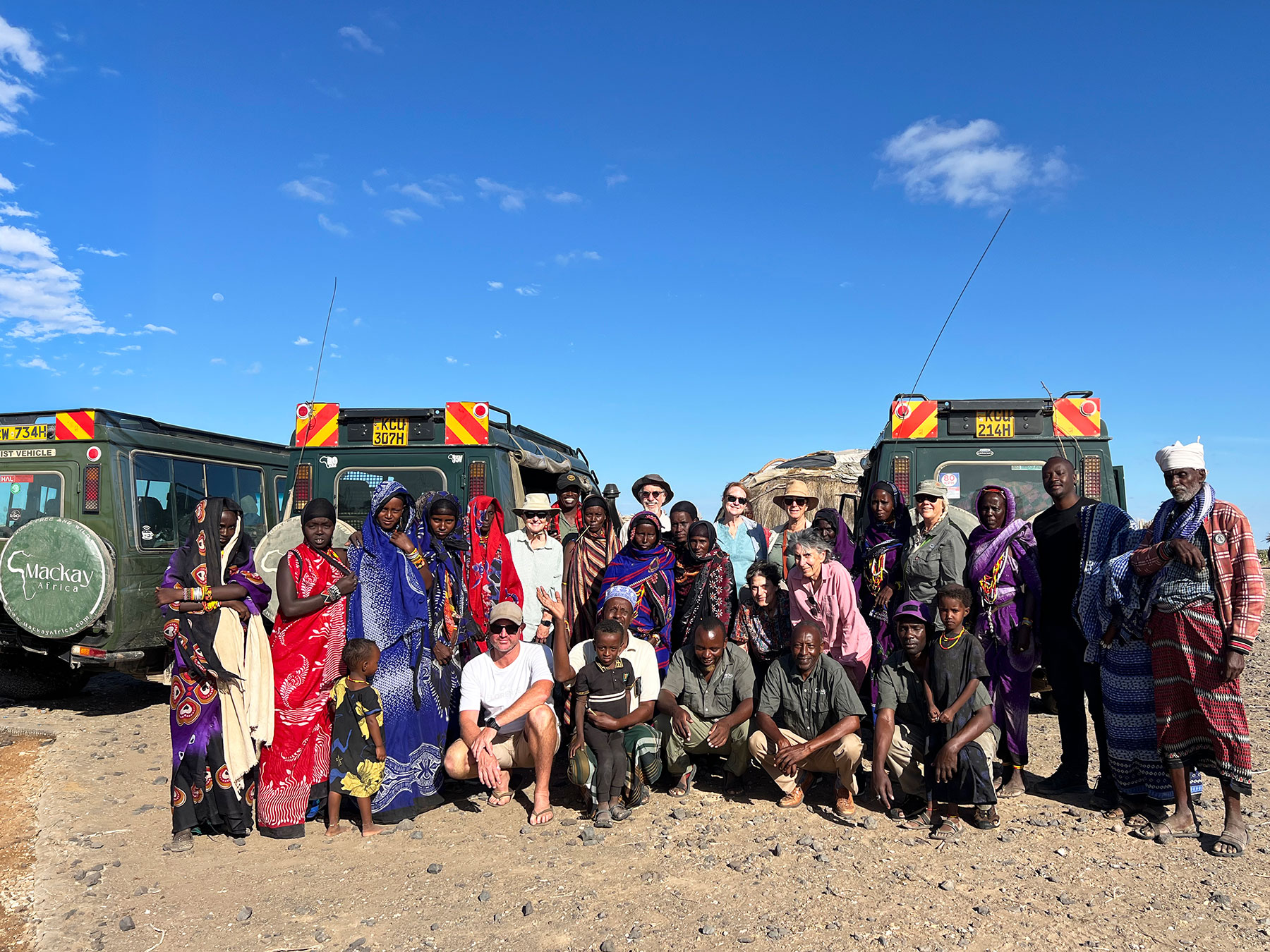
It reminded me, once again, that the most meaningful journeys in Africa are rarely defined by the places we visit. They are defined by the relationships we are fortunate enough to build along the way.
As we flew south, I found myself thinking less about the photographs we had made and more about the friendships we had deepened. Some journeys are about discovering new places. Others are about returning to the people who quietly changed the way you see the world. Next year, I will return once more with a small group to continue that story, and I look forward to introducing a few more people to this remarkable community.