
Photographic hides have become a topic of conversation. Some dismiss them as boring or even “cheating,” often without ever having experienced one. But those opinions usually fade the moment a photographer steps inside a well-designed hide and understands what it truly offers.
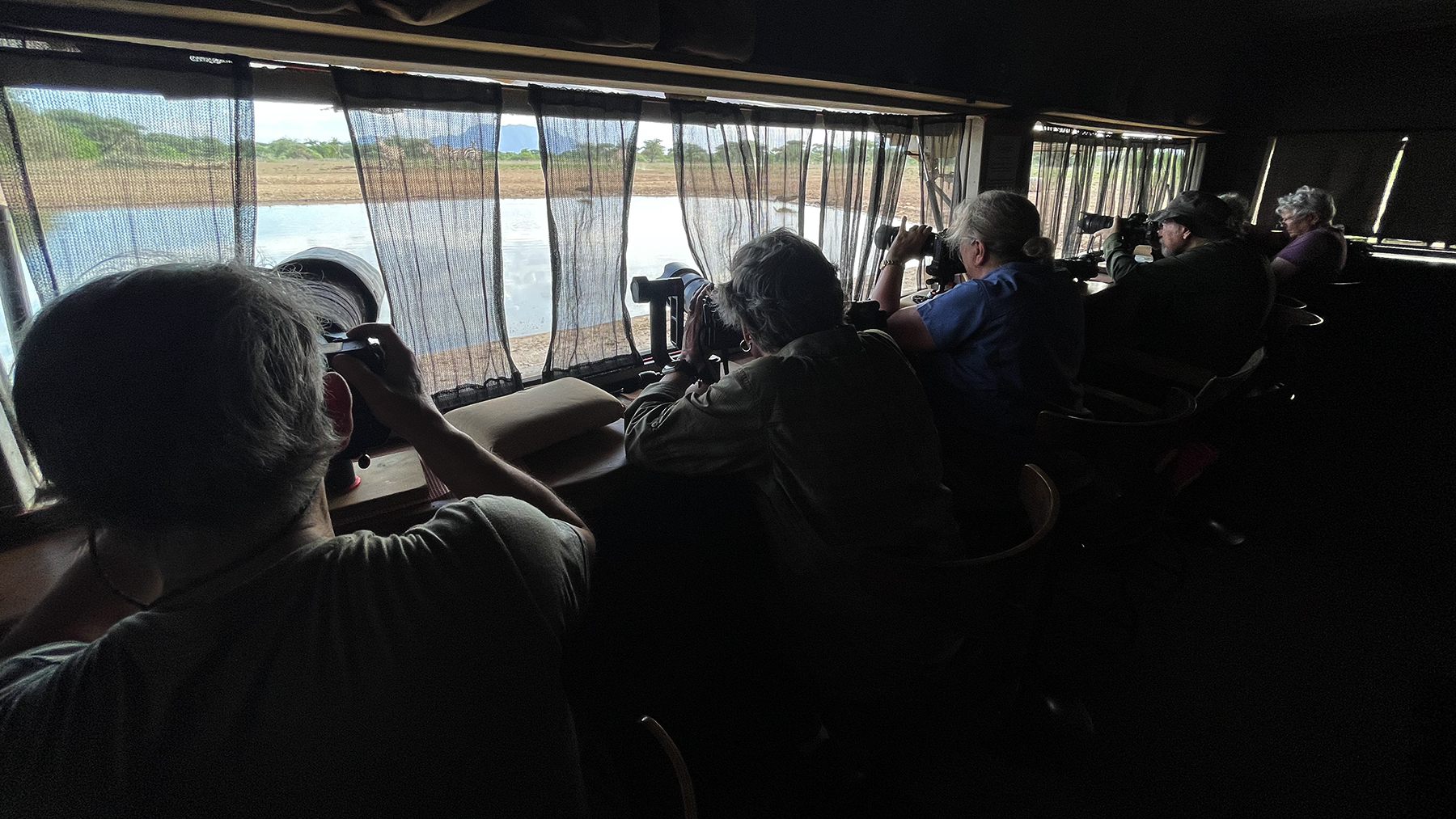
Hides serve a vital purpose in Africa’s wild landscapes. Most are built around waterholes that provide critical access to fresh water in harsh environments, particularly during dry seasons. They are located within private conservancies, where tourism directly funds land protection, wildlife conservation, and community livelihoods. In an era when many national reserves are overcrowded with vehicles surrounding a single sighting, hides offer a quieter, far less intrusive way to observe wildlife, one that prioritizes the well-being of the animals above all else.
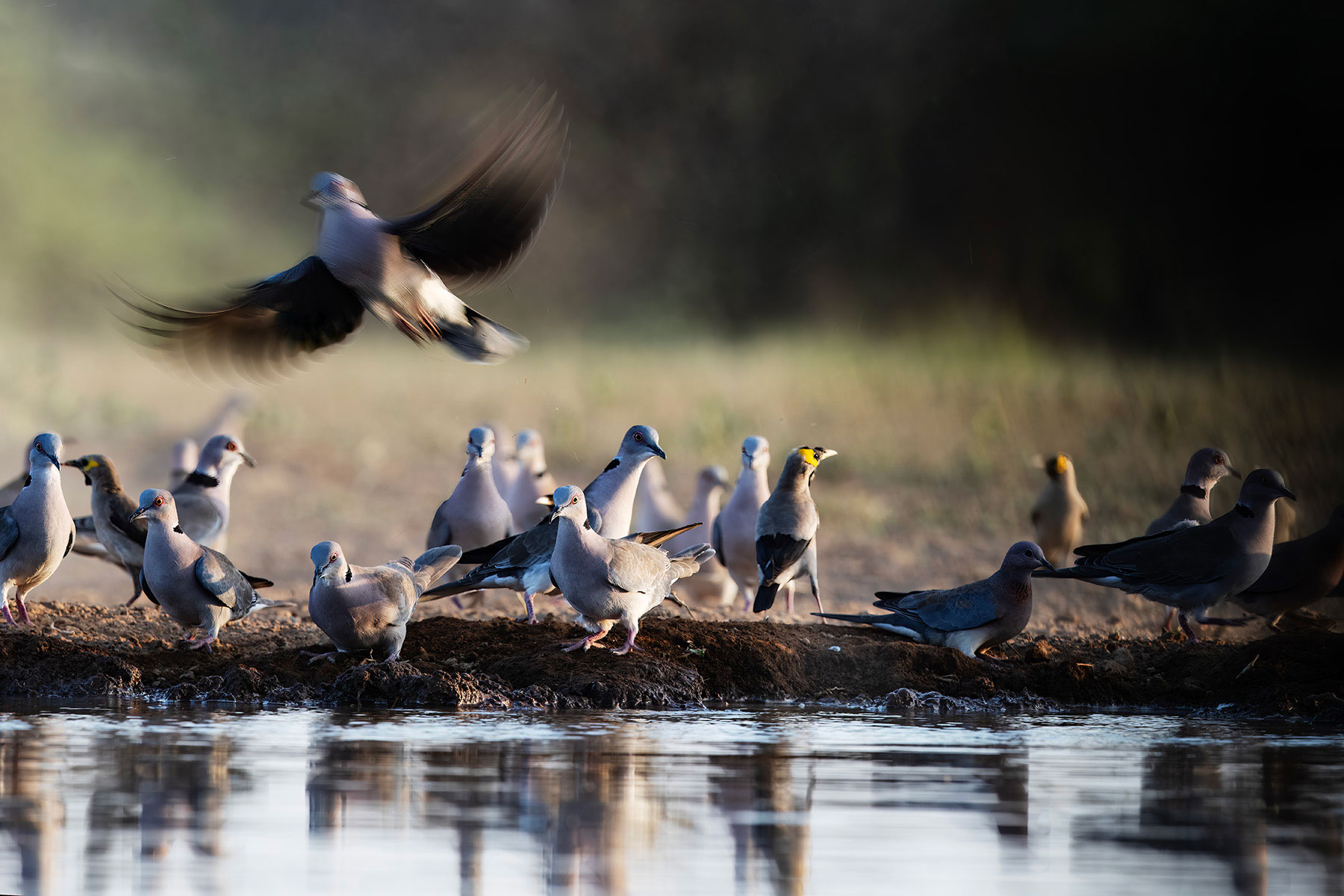
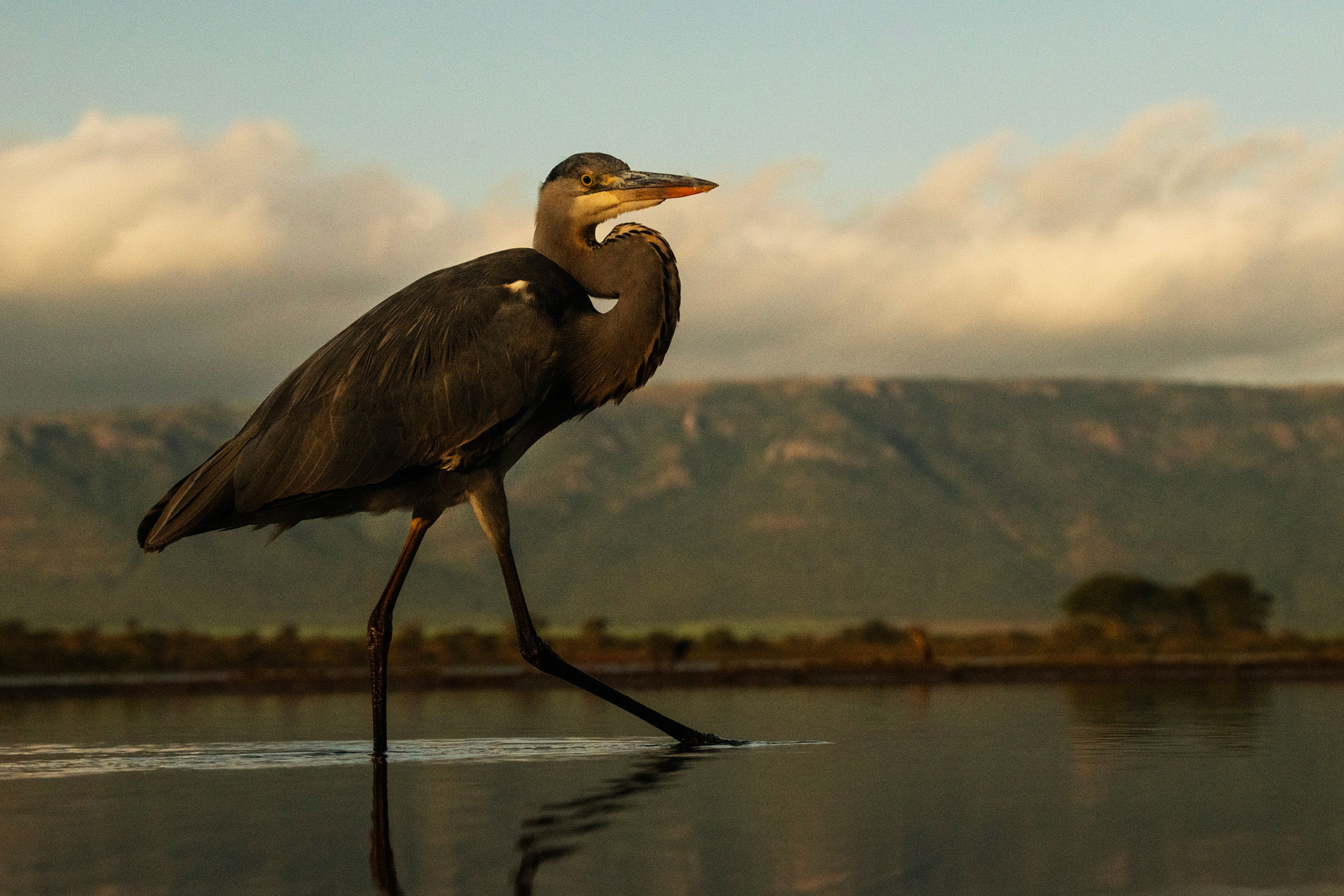
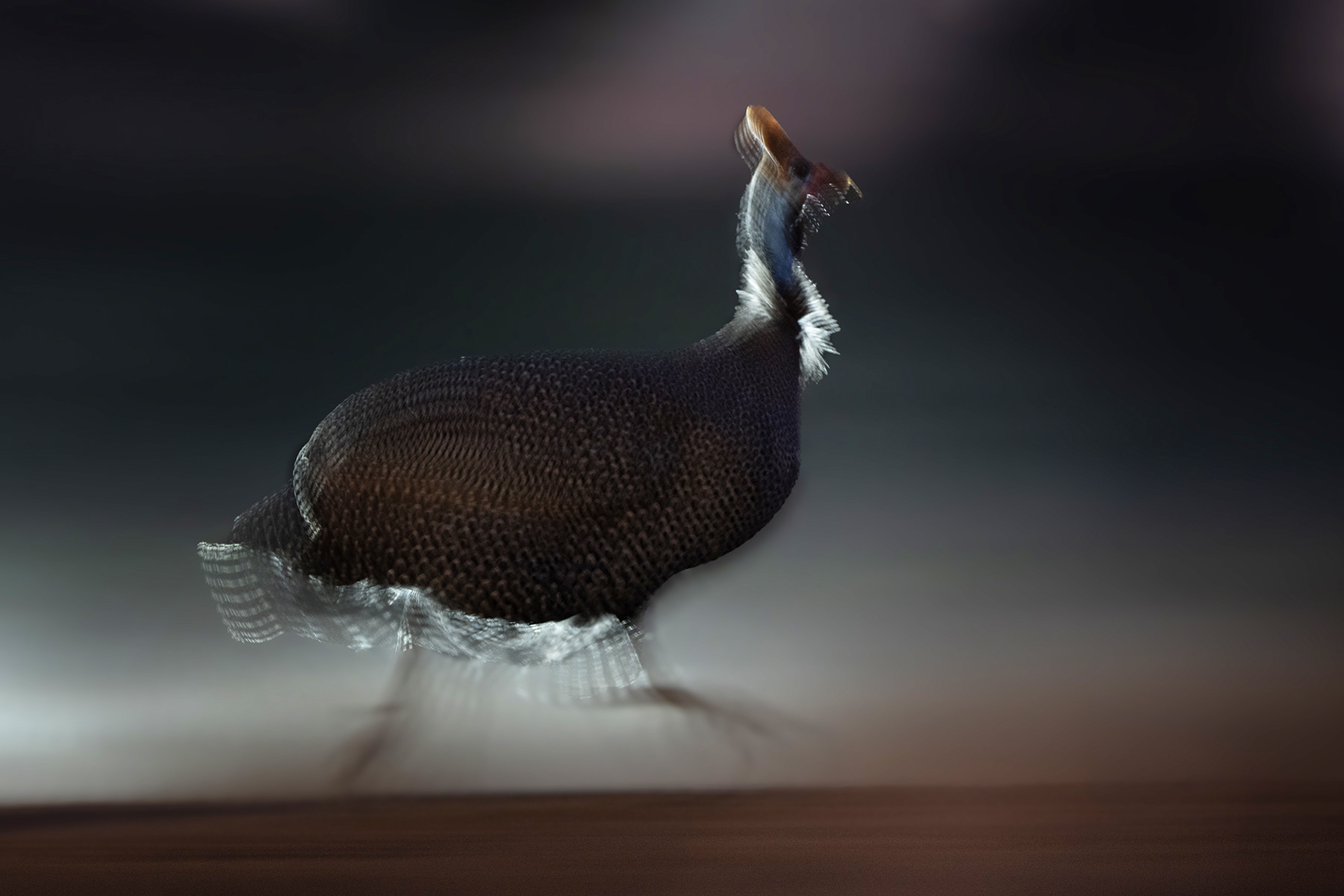
From a photographic perspective, the experience is unlike anything else. Instead of chasing wildlife, you wait. Instead of engines, radios, and repositioning vehicles, there is silence. Gazing into the darkness, filled with anticipation for what might emerge, sharpens every sense. You listen. You watch. You feel the tension build. When an animal finally arrives on its own terms, the moment feels earned, intimate, and deeply rewarding.
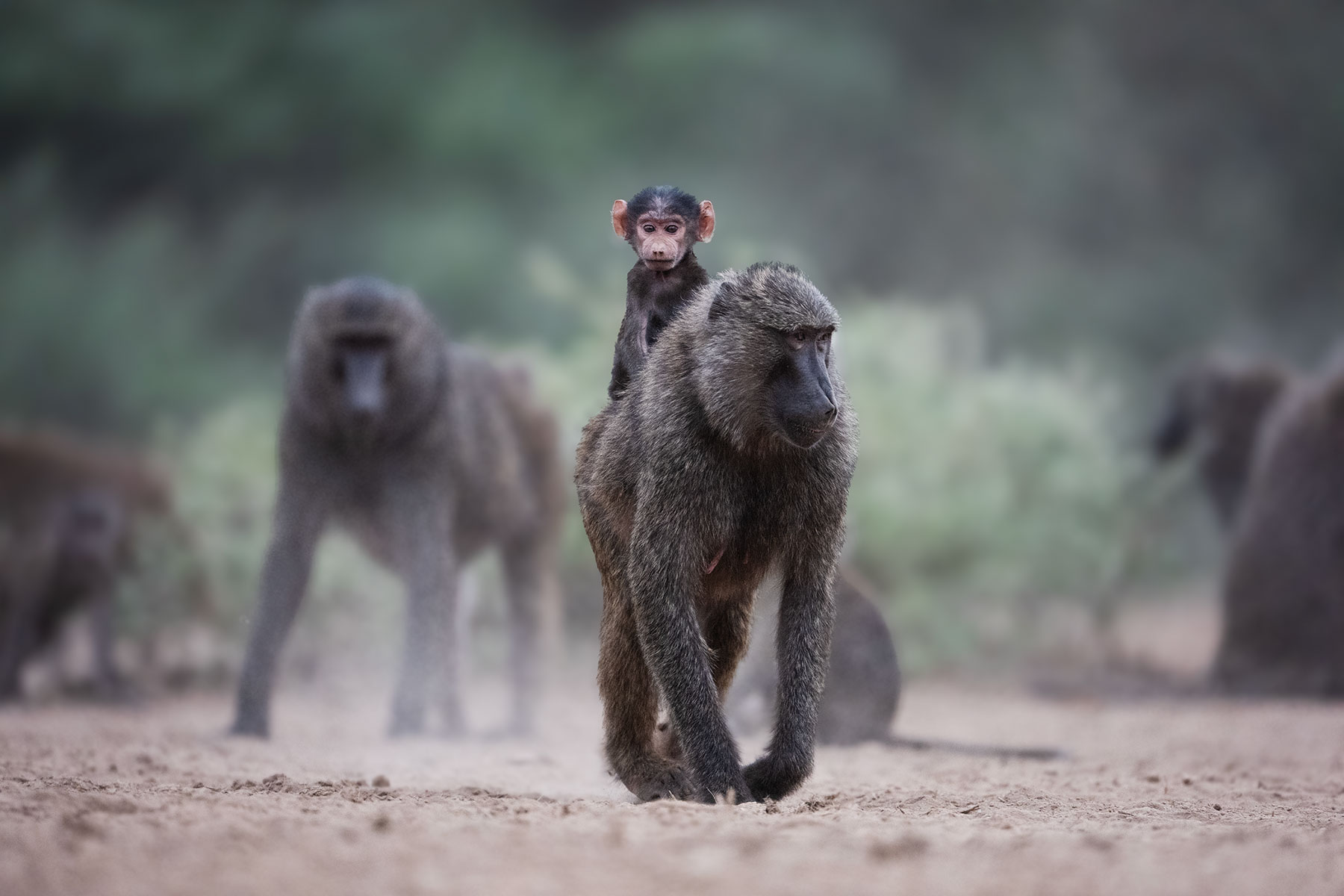
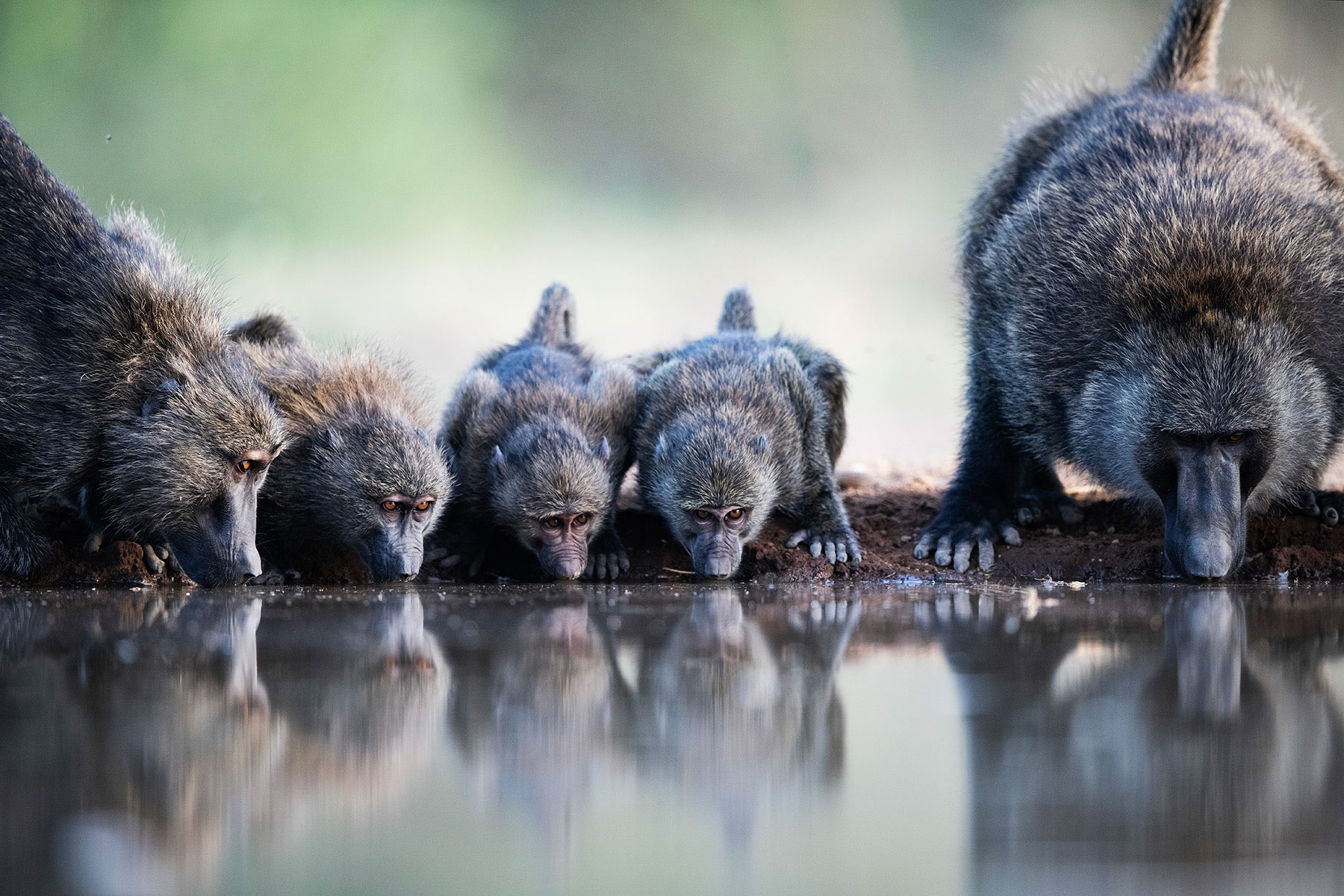
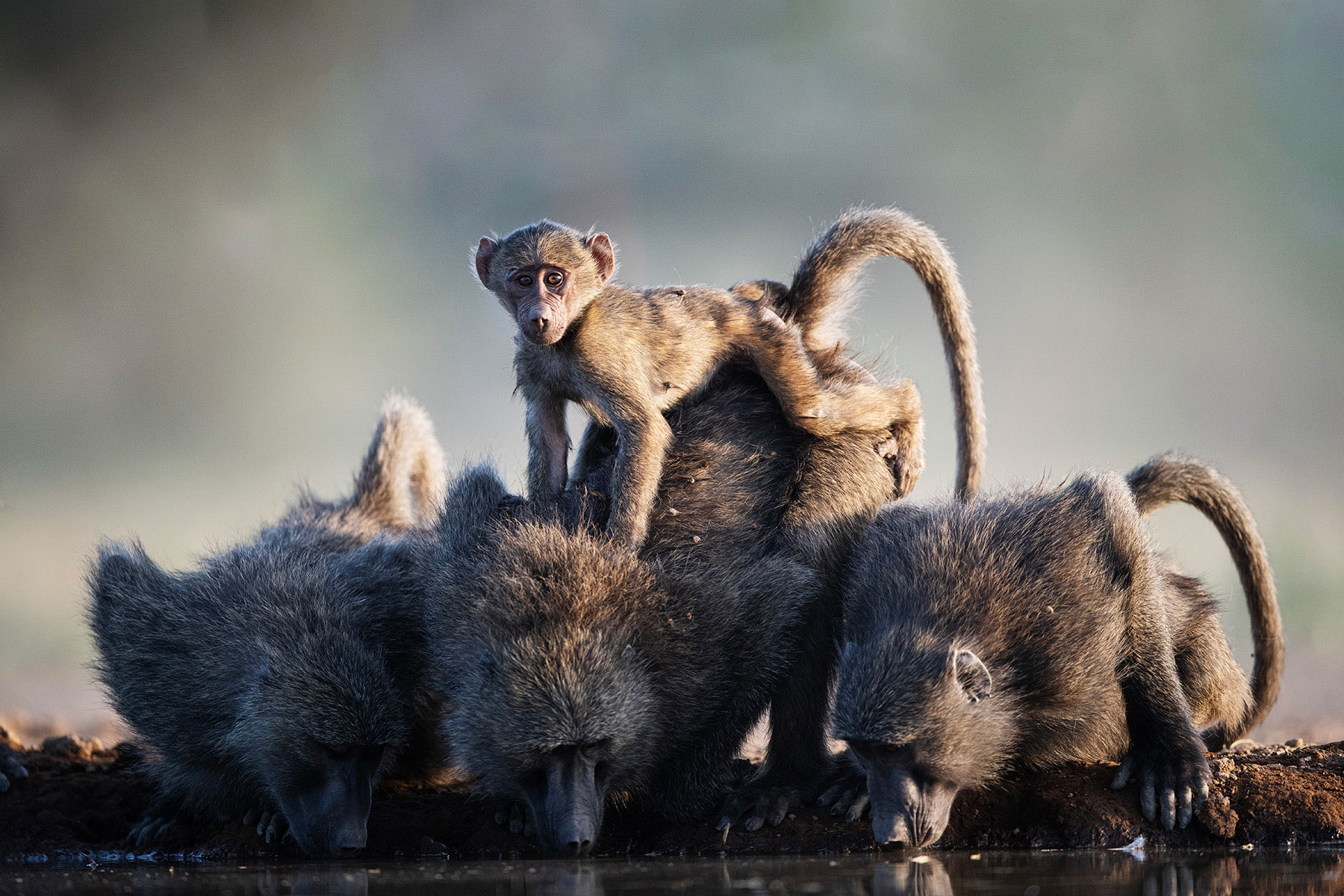
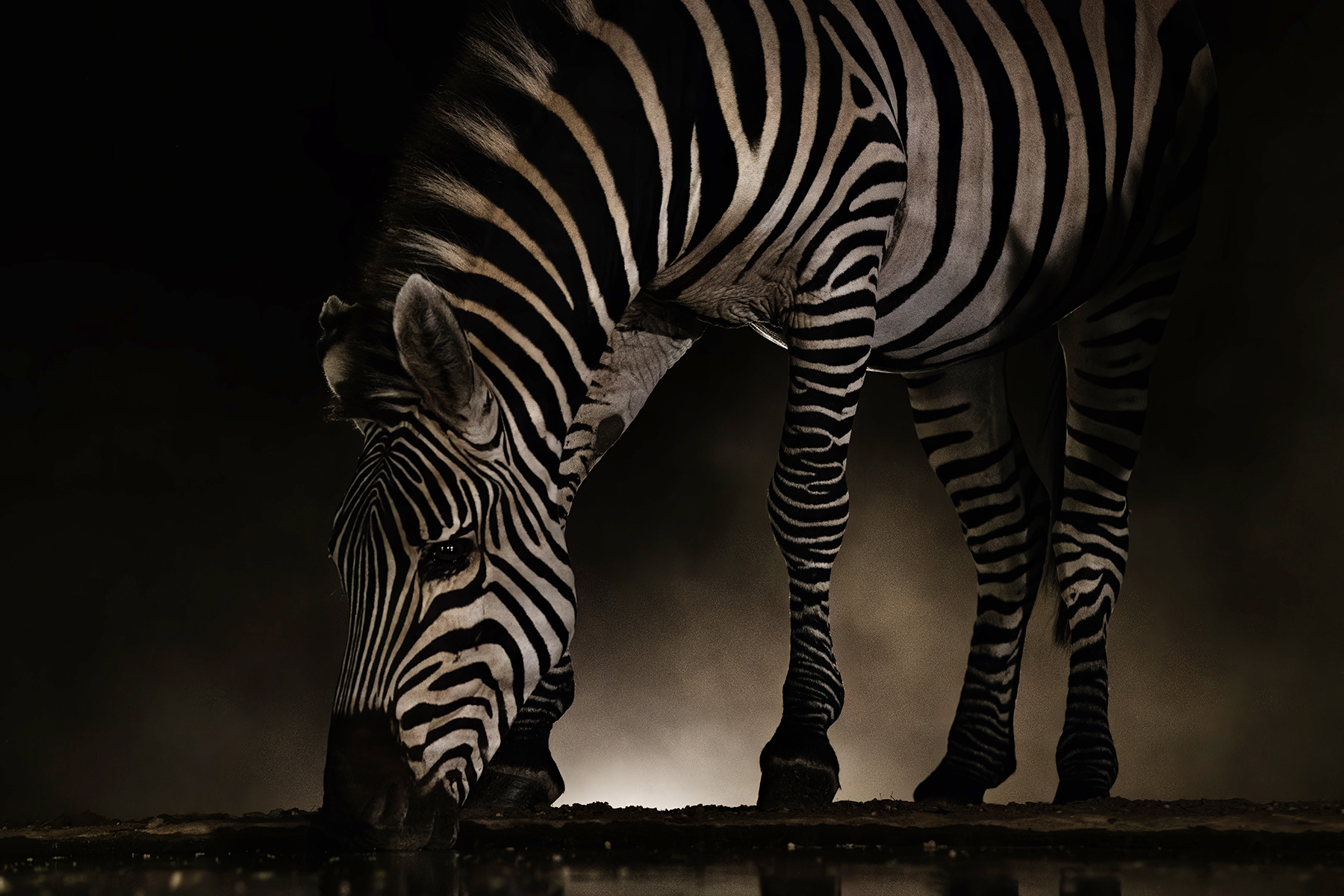
Today’s photographic hides are also remarkably sophisticated. Many are designed at ground level, placing you eye-to-eye with wildlife as they drink, interact, and move through the scene. Carefully positioned lighting systems, each controlled individually, allow photographers to shape light with extraordinary precision. This opens a level of creative control rarely possible in the field, dramatic side lighting, subtle rim light, or softly illuminated scenes that feel cinematic yet natural. It becomes an exercise in patience, observation, and intentional image-making.
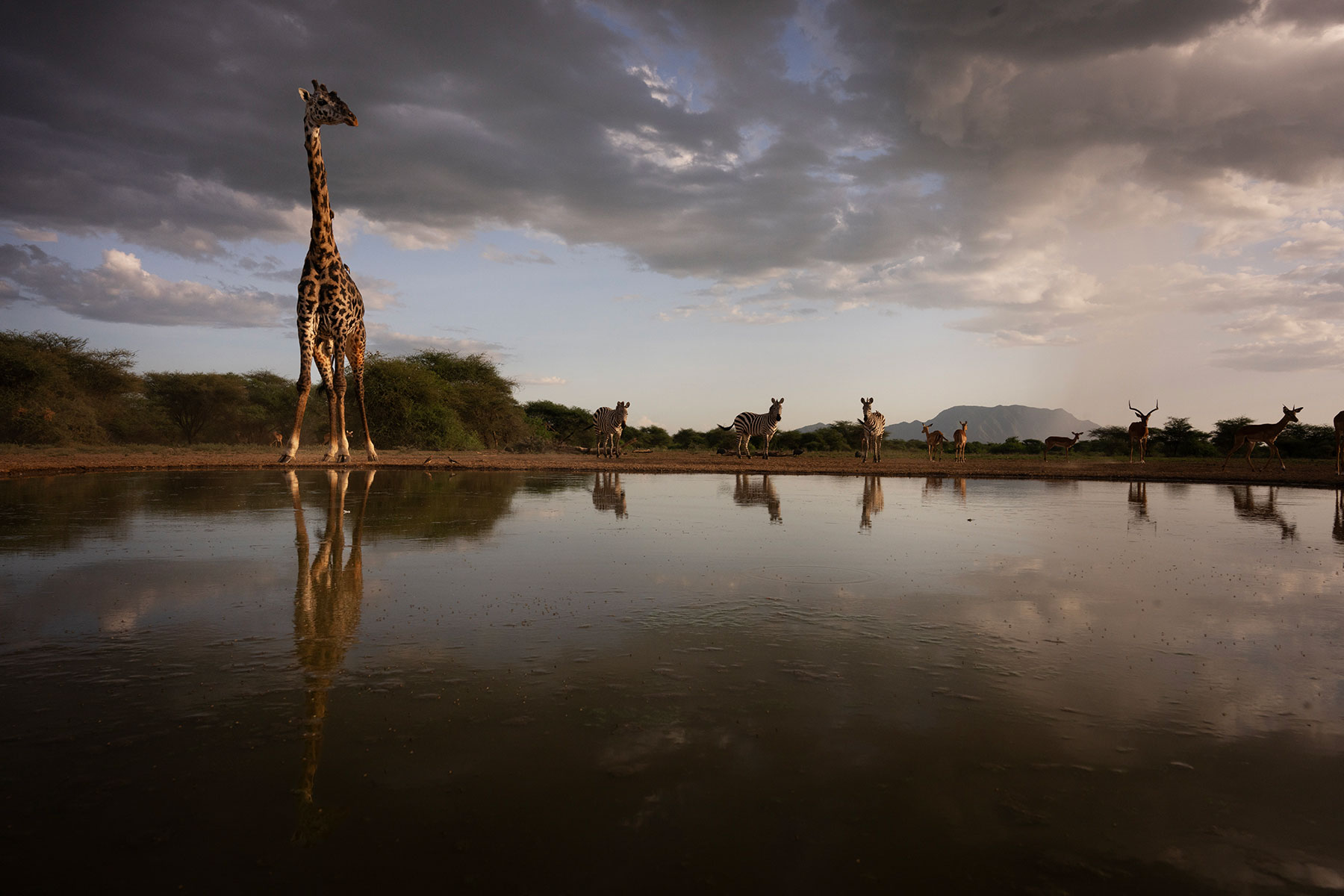
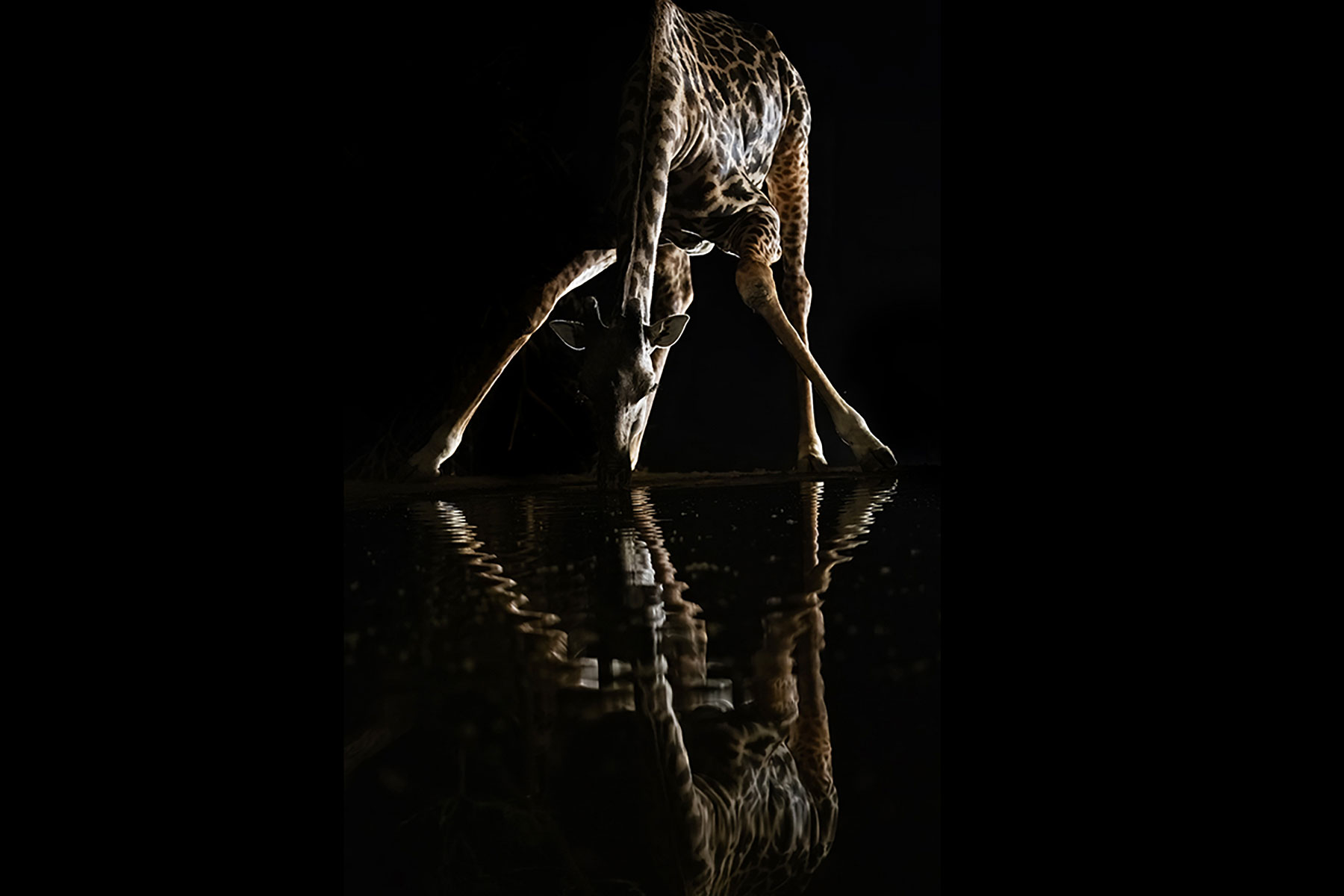
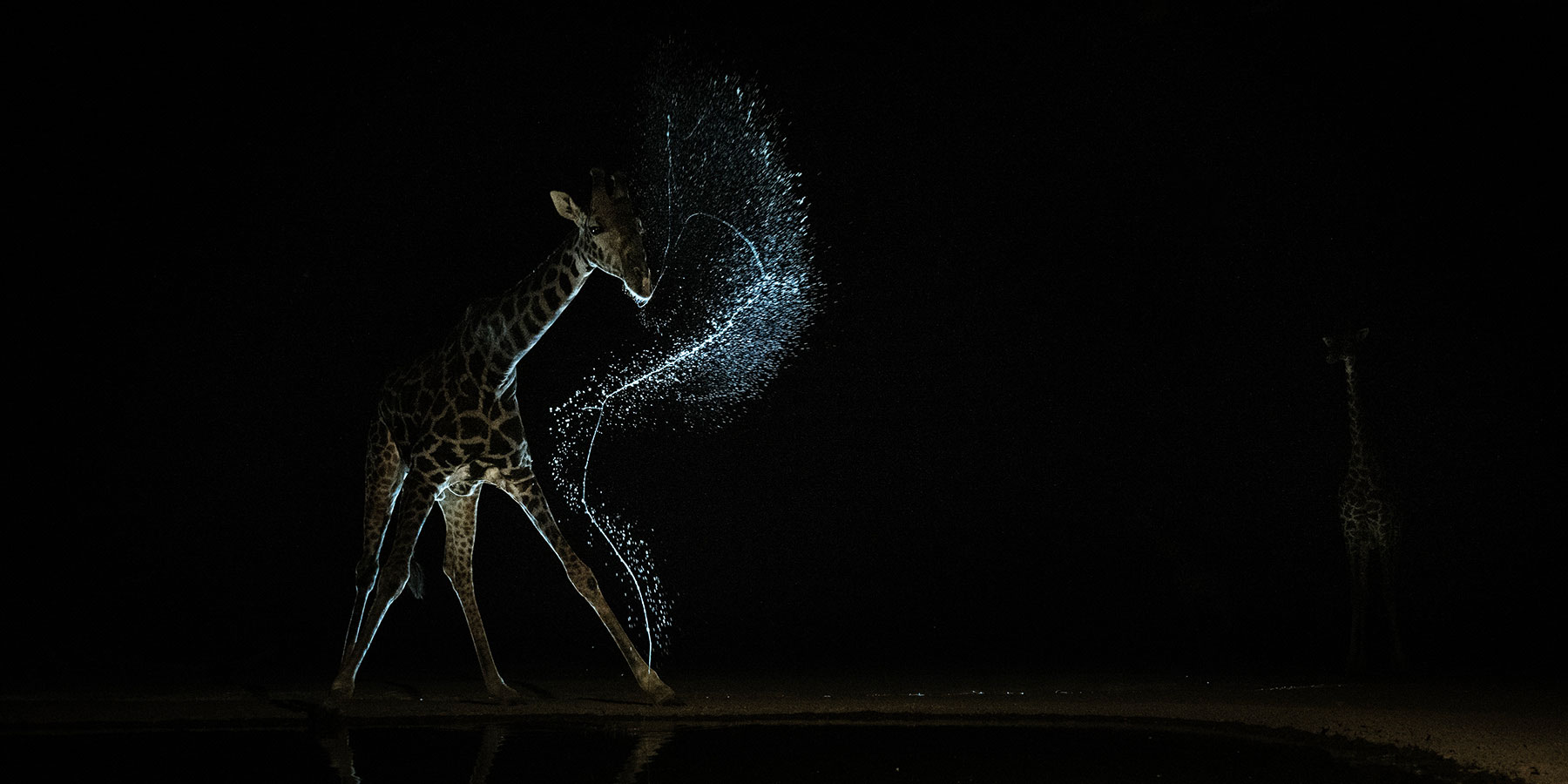
What truly defines the hide experience is the shift in pace and perspective. The stillness invites you to study behavior rather than react to it, to notice subtle movements and patterns that would be missed in a vehicle. As the hours pass, anticipation builds quietly, and when wildlife enters the scene, it does so without disturbance or urgency. This unfiltered access allows photographers to work with intention, responding thoughtfully to light, composition, and moment, rather than scrambling to keep up with it.
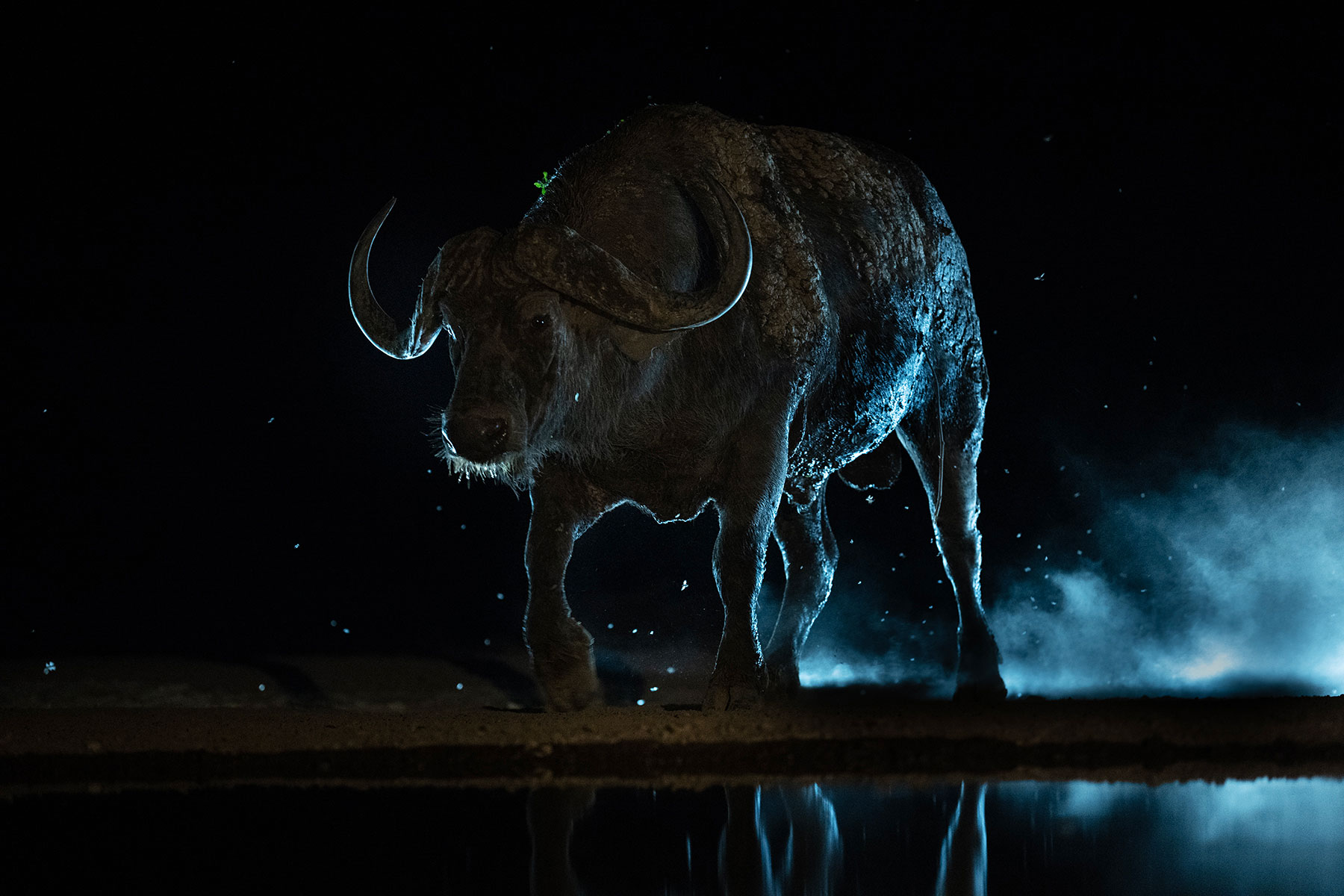
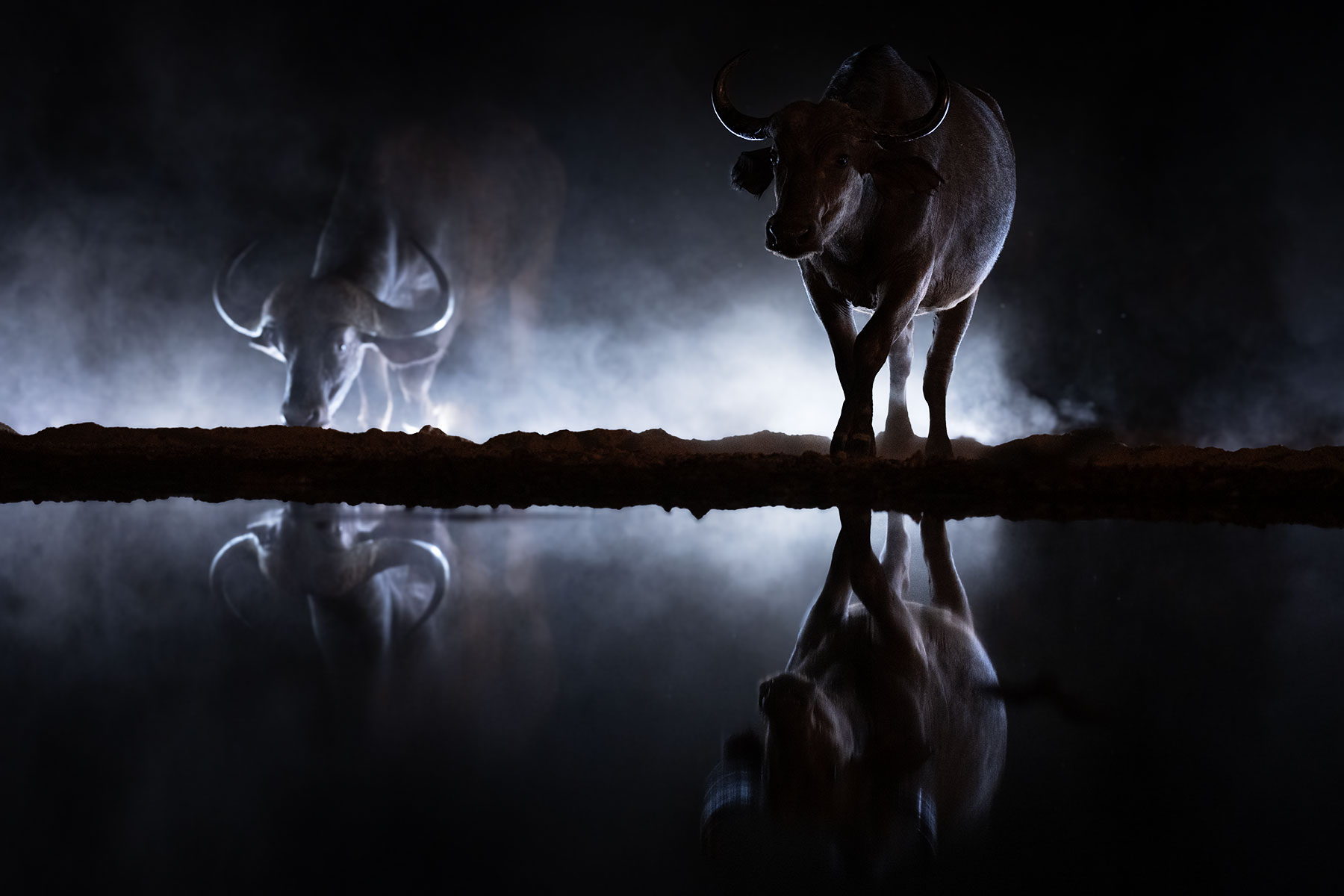
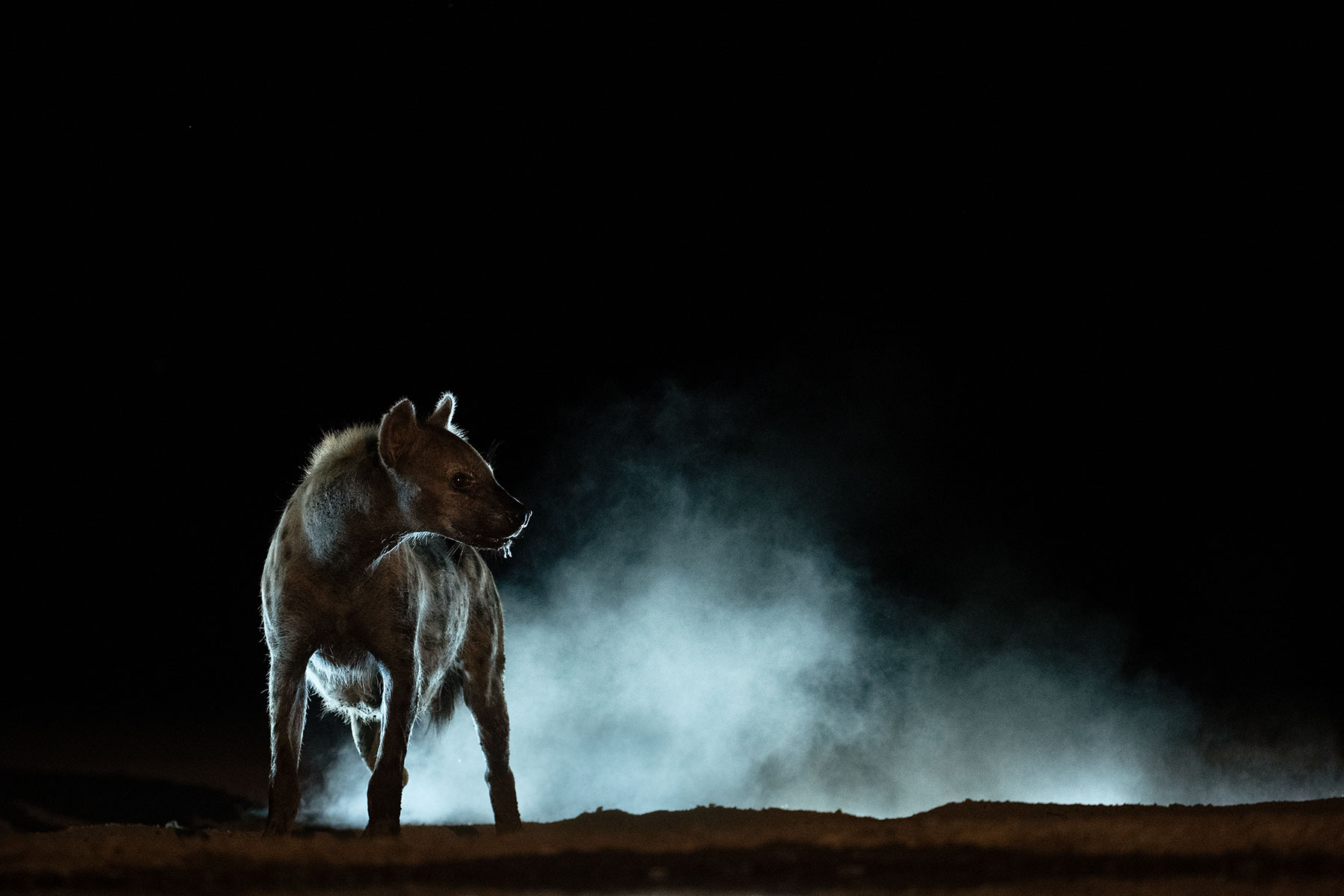
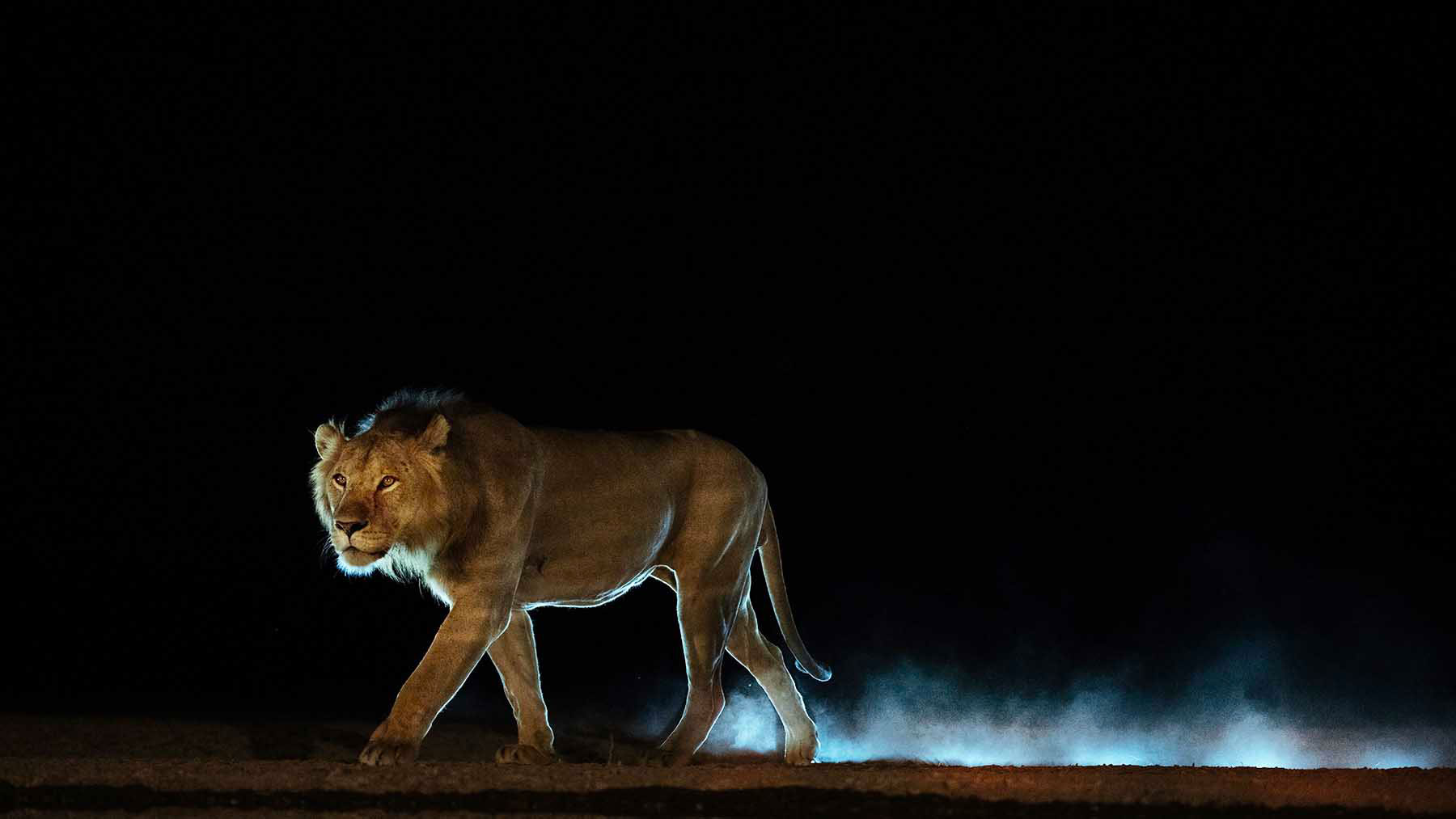
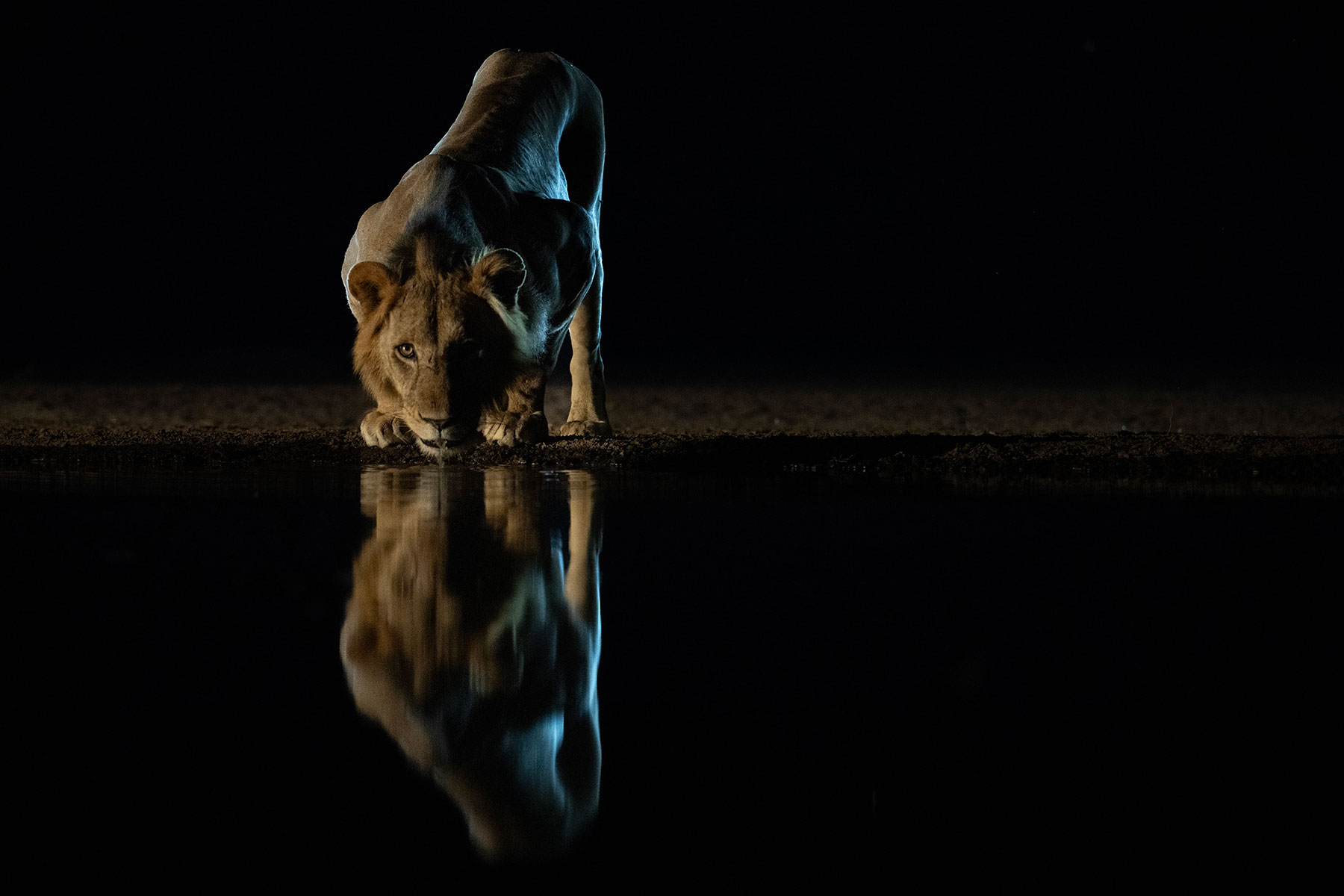
Photographic hides aren’t about shortcuts. They are about respect for wildlife, for the land, and for the craft of photography itself. Once experienced, they don’t replace traditional safaris; they expand what’s possible. And for many photographers, they become one of the most unforgettable ways to experience Africa’s wild heart.
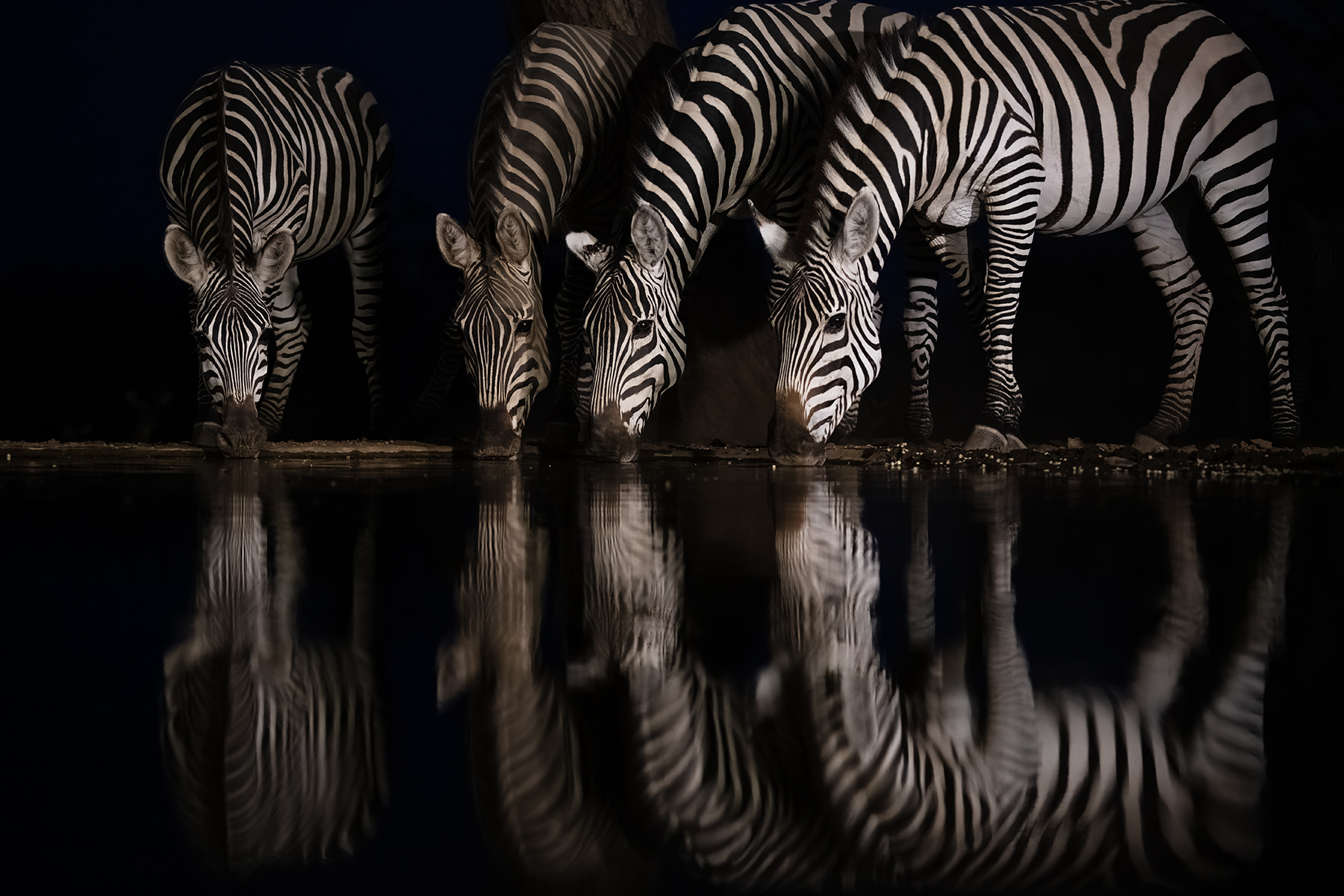
For those who feel drawn to experience this firsthand, I am offering one hide experience in 2028. Check Availability.