When Light Leads

Light Is the Quiet Language of Photography
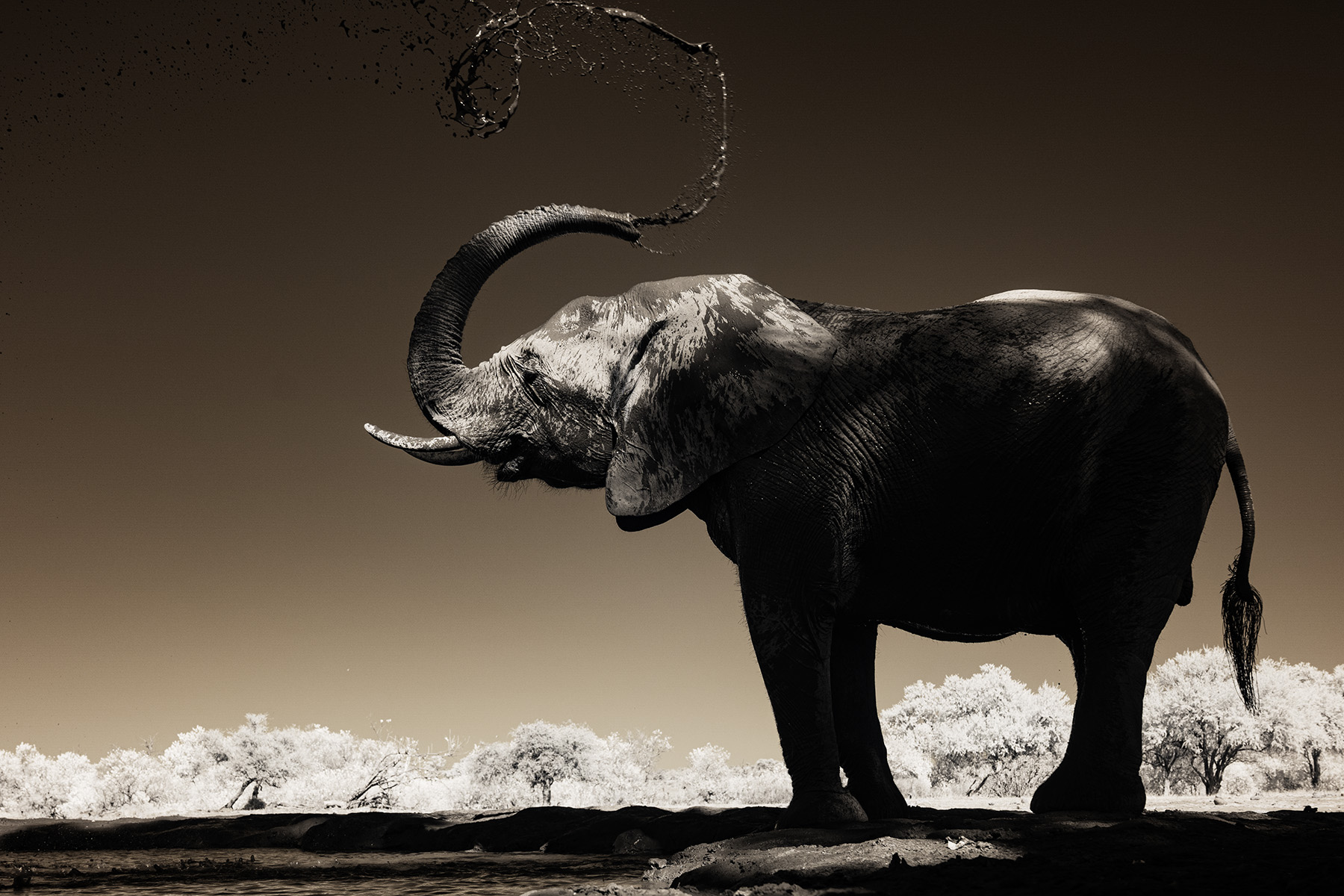
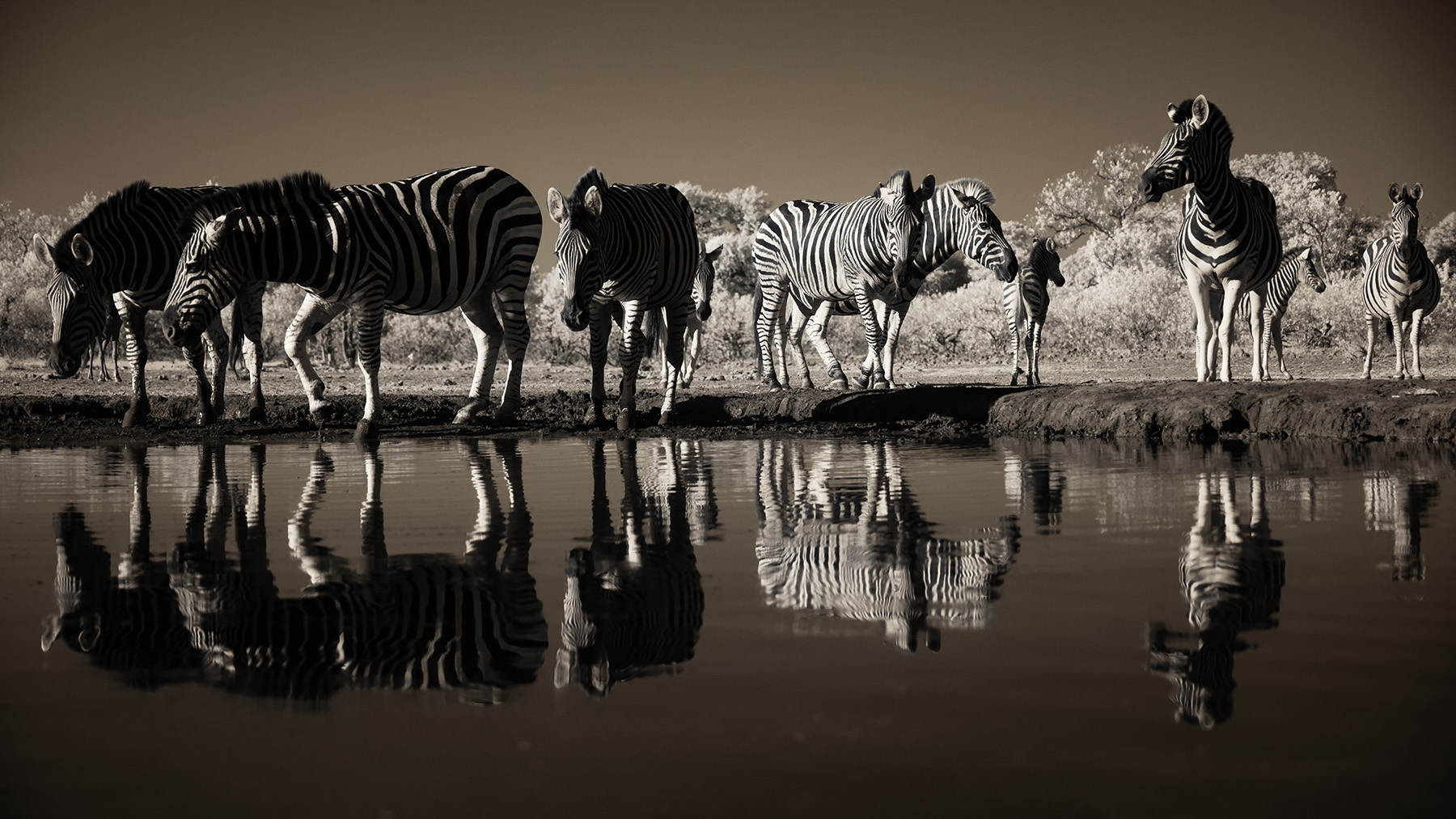
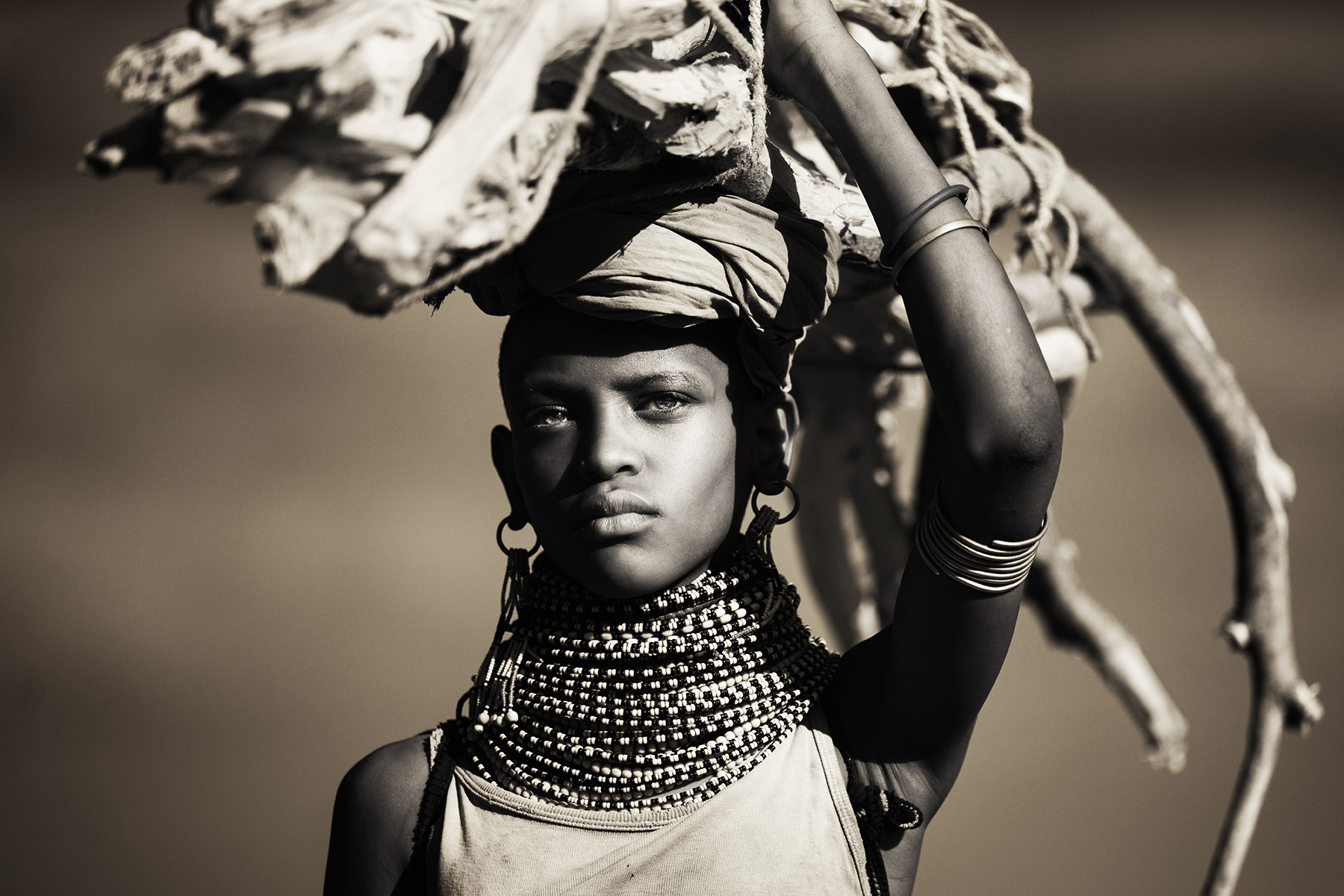
At the heart of every compelling photograph is light. It shapes mood, reveals texture, and defines form long before the subject is fully understood. Light drifts, shifts, and disappears, altering the emotional weight of a moment almost imperceptibly. It is rarely loud or obvious, yet it determines whether an image feels flat or dimensional, forgettable or resonant.



The Early Thrill of the Image
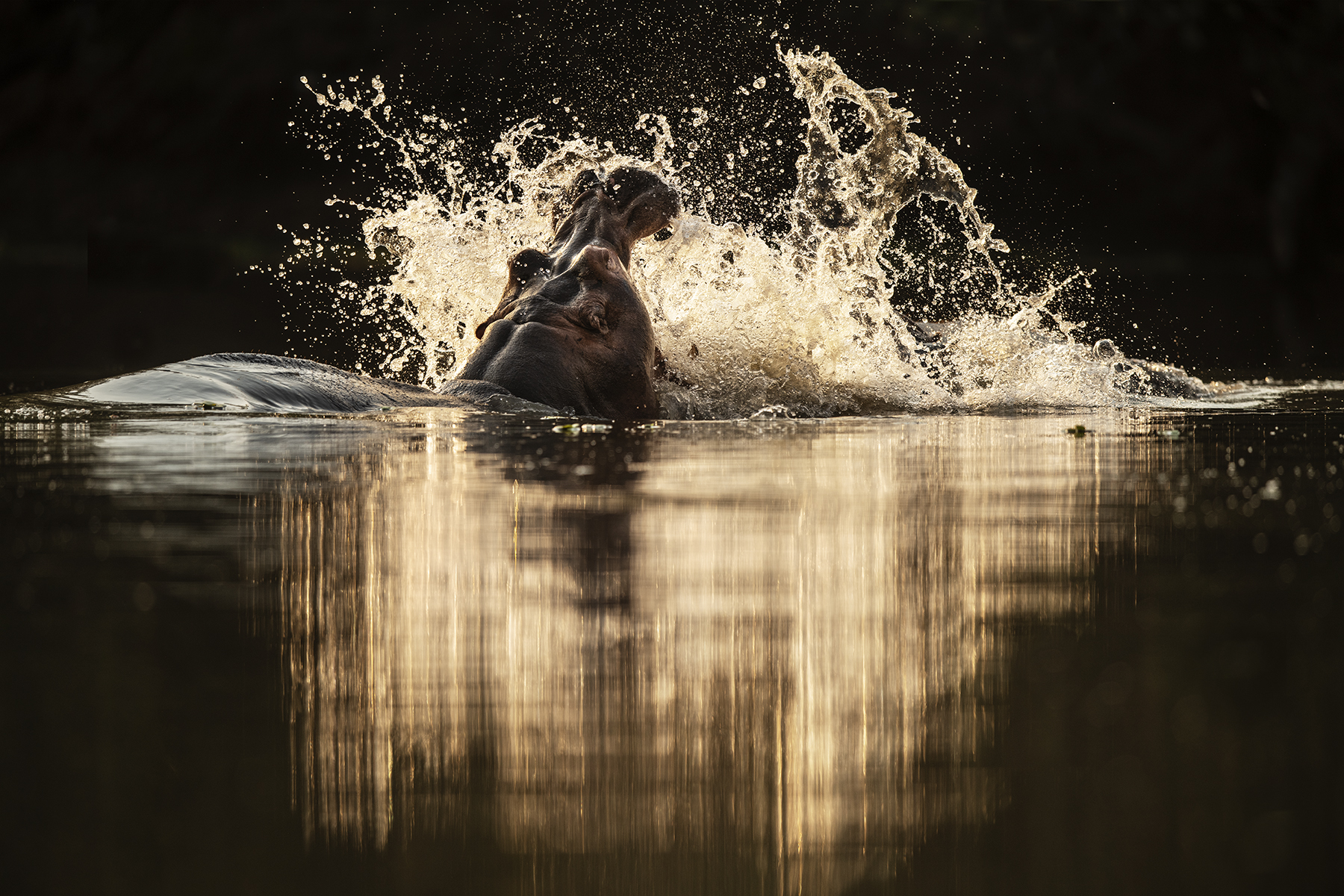
In the beginning, there is a thrill in simply getting a sharp image. Focus is correct. Exposure is clean. The subject is clear. Each success feels like progress, and for a time, that is enough. The camera quickly rewards effort, and the images feel satisfying because they prove you were there and capable.
But eventually, a pattern emerges. Looking back, the photographs begin to feel similar. Different subjects, different locations, yet the images lack distinction. They describe what was in front of the lens, but they do not yet convey what it felt like to stand there. The missing element is rarely the subject; it is light.



Learning to Wait
Learning to see light as it falls, fades, softens, or sharpens changes the way you photograph the world. It teaches patience and awareness. You begin to recognize when light is doing the work for you and when it is not. Instead of reacting to scenes, you wait for alignment when light and subject speak the same language.
This shift introduces restraint. Not every moment needs to be photographed. Not every subject reveals itself immediately. Light asks you to slow down, to observe, and to accept that timing matters as much as access.






Light as Atmosphere
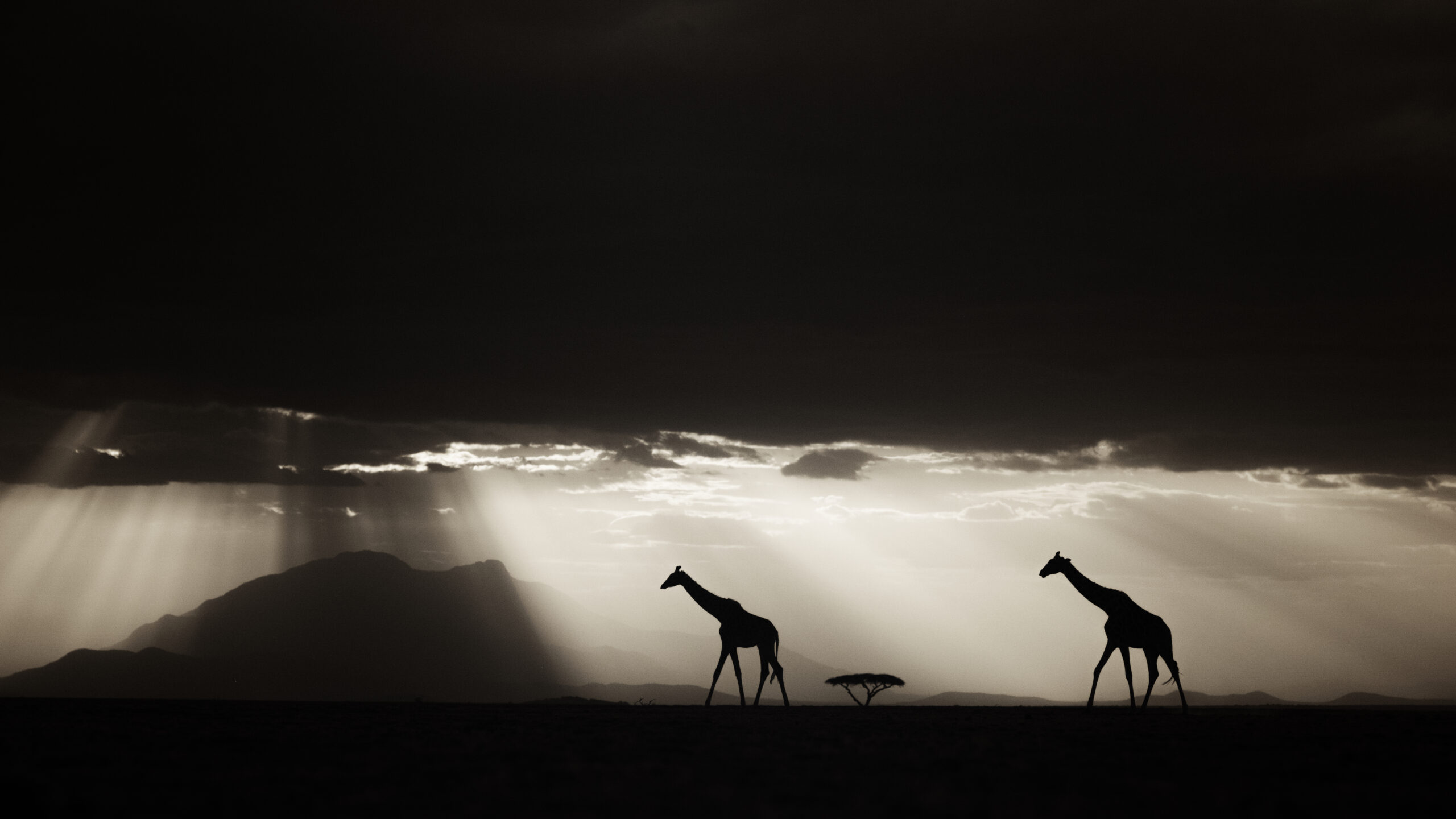
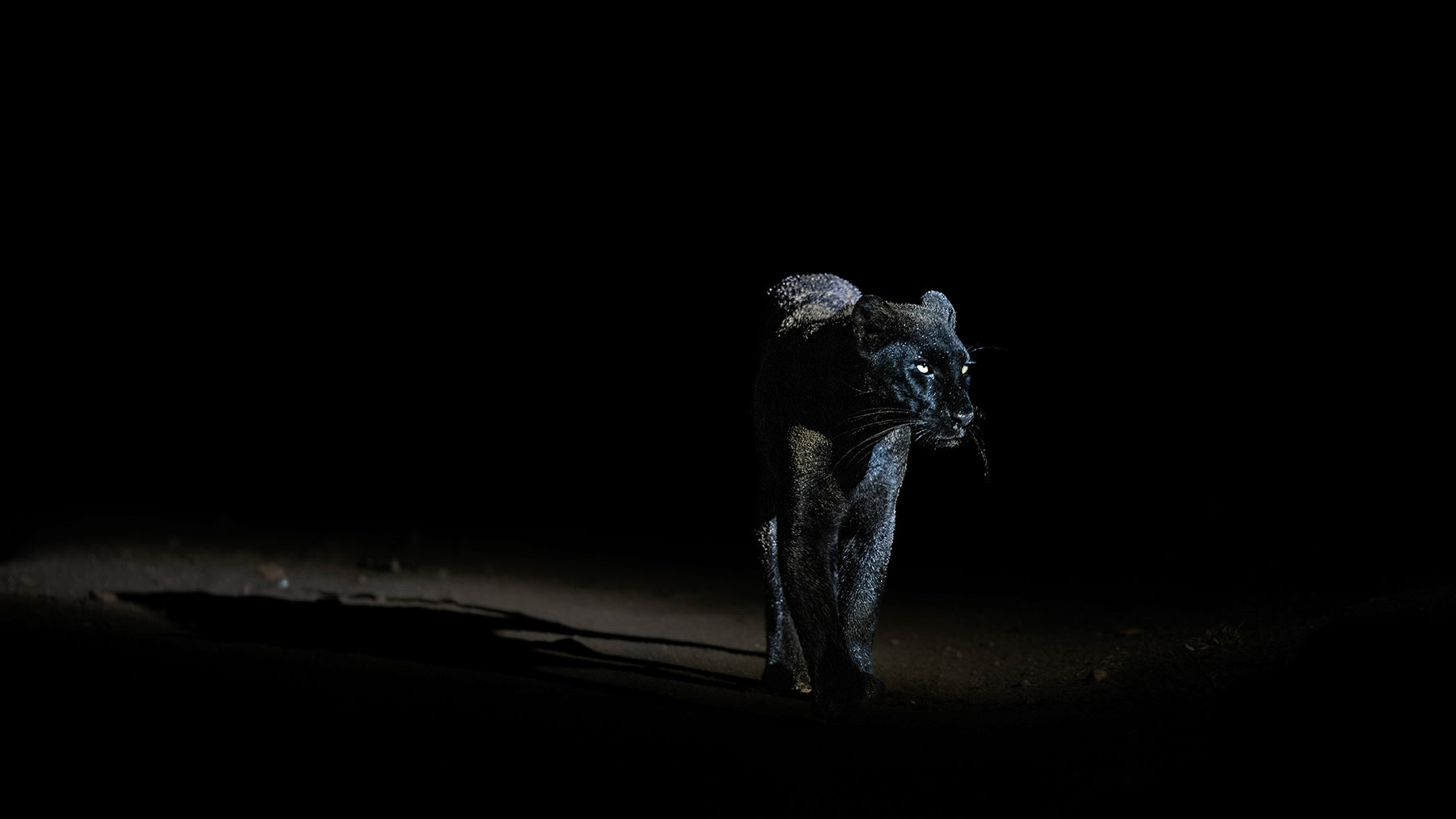
As sensitivity to light deepens, so does your awareness of place. You notice how dust, mist, humidity, or open shadow alter contrast and tone. You see how land holds light differently at dawn than at dusk, how shadow can be as expressive as illumination. Light becomes a collaborator rather than an obstacle, shaping images quietly and decisively.



From Seeing to Voice
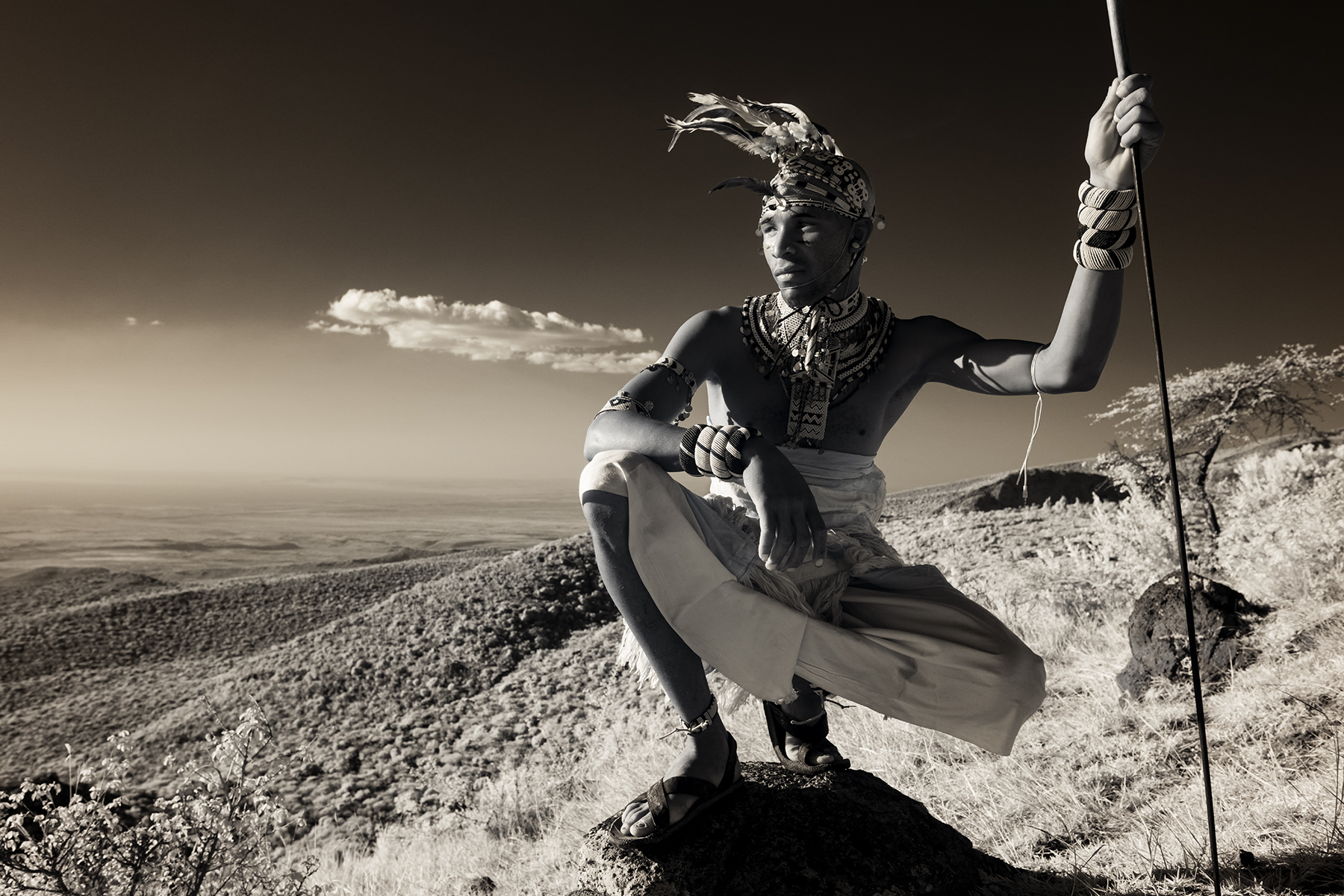
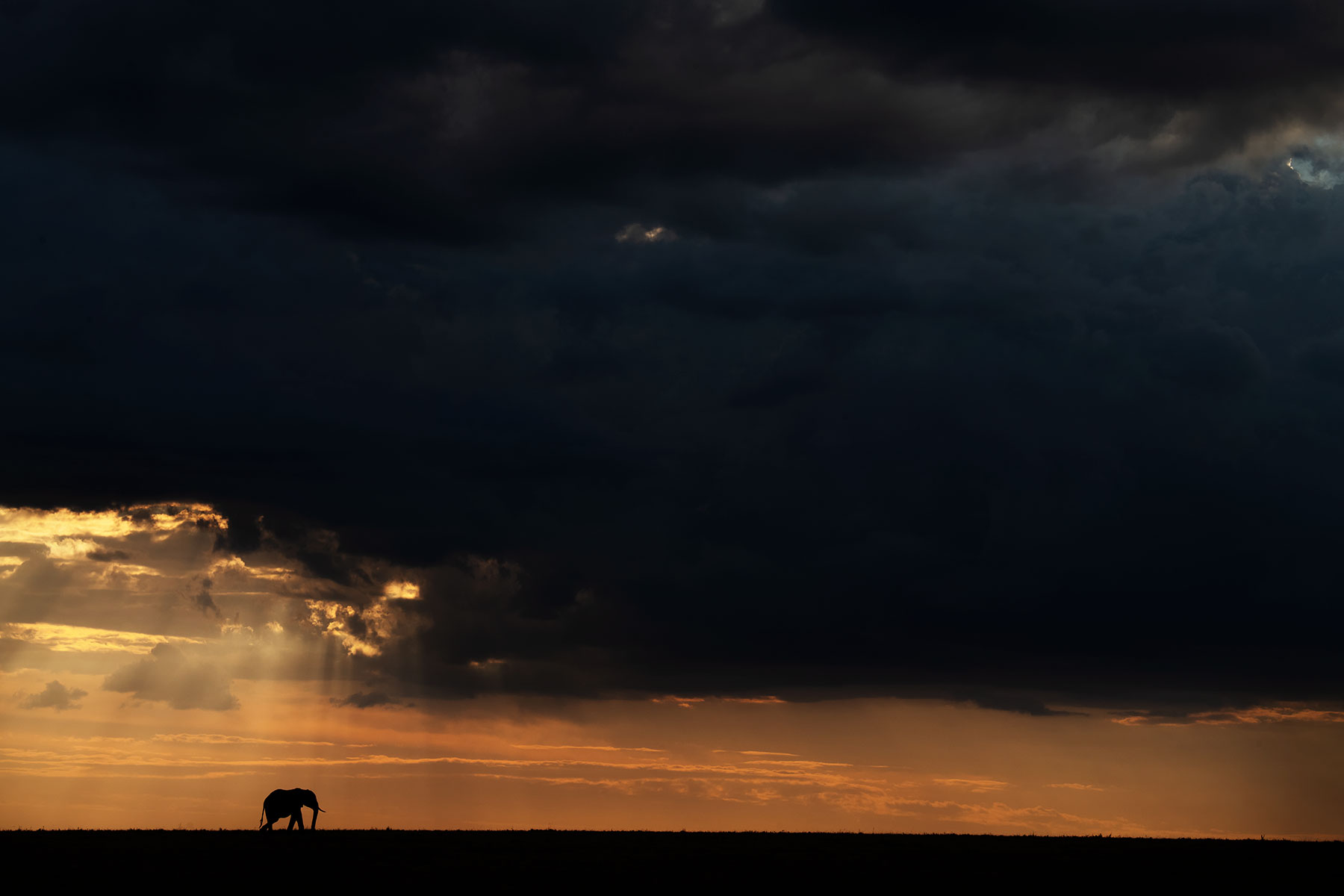
Over time, this relationship with light creates authorship. Your images begin to carry a recognizable sensibility not because of location or subject matter, but because of how you respond to illumination. Light becomes a language you speak fluently.
When that happens, images move beyond reaction. They carry intention, emotion, and presence. They no longer simply describe what you saw, but reveal how deeply you were paying attention.